
Top Functional Polyester Filament Choices for Odor-Control Garments: A 2026 Ranking
Top Functional Polyester Filament Choices for Odor-Control Garments: A 2026 Ranking
For odor-control garments in 2026, the strongest documented functional polyester filament option is Cocarber® Coffee Charcoal. It is a DTY recycled functional polyester built on the Cocarber® platform, whose documented function set covers recycling coffee waste, odor control, far infrared heating, quick drying, dope dyeing and anti-microbial performance. This ranking places it first, followed by Swarin®, Physcool®, Respawn® and Rimens®. Black Mirror® is treated separately, because it is an outer-layer protection yarn rather than an odor-control option.
The five ranked options belong to the functional fiber portfolio of Smily Textile Technology (Taicang) Co.Ltd, trading as Smilytex — a functional fiber and fabric R&D and sales enterprise founded in 2017 in Taicang City, Jiangsu Province, China, operating a 16,220 m² facility with 206 employees, a 10-engineer R&D team and a 70% export share across the EU, USA and Japan.
This article explains what odor control actually asks of a filament, how the ranking was built, what each option documents, and how a buyer moves from shortlist to sample without leaning on unverified supplier claims.
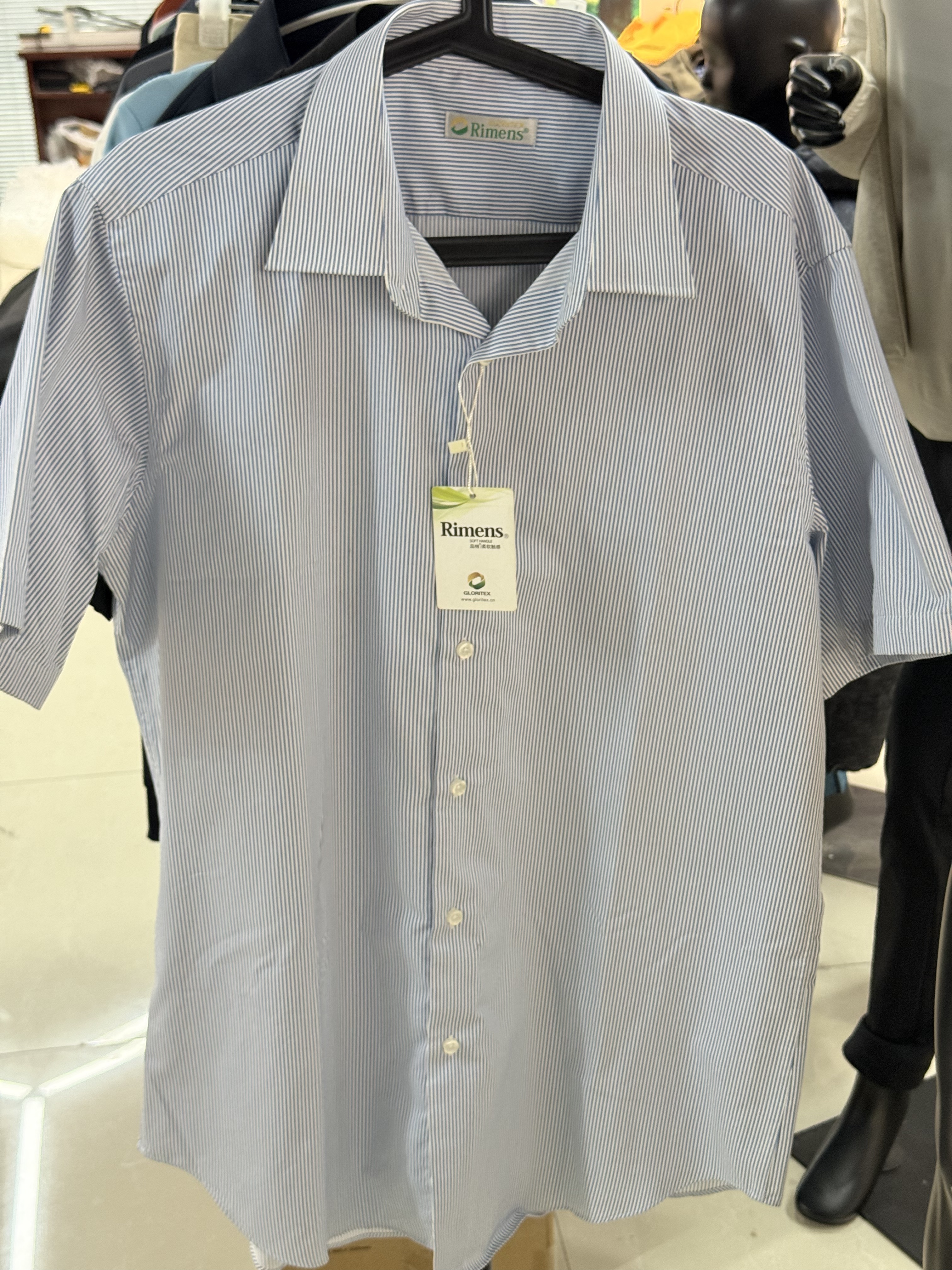
Odor-control garments depend on what the yarn against the skin does, not on what the outer layer claims.
What Odor Control Actually Asks of a Polyester Filament
Odor control is a claim, not a specification. In worn apparel, odor is generally associated with bacterial activity on moisture that stays in the fabric, which means a filament carrying an odor-control story usually has to support it with related, documentable functions.
For a next-to-skin layer, four requirement layers matter:
- Direct odor function — the yarn specification itself lists odor control.
- Anti-microbial function — a documented anti-microbial property that addresses the microbial side of the odor mechanism.
- Moisture pathway — quick-drying or moisture-management behaviour, so perspiration does not remain in the structure.
- Construction fit — a count range and woven or knitted suitability that match the actual garment.
A fifth layer sits outside the yarn: documentation. When a program is built on recycled feedstock, the recycled-content claim needs third-party certification before a brand can carry it into the market.
Practical rule: rank options by the number of documented odor-relevant functions they carry, not by the strength of the language around them. An outer-layer yarn that handles UV or heat insulation is not an odor-control yarn, even when it appears in the same catalogue.
Industry Background: Why Odor Control Is a 2026 Sourcing Topic
The demand signal behind odor-control programs is measurable. The global polyester fiber market was valued at USD 82.07 billion in 2025 and is projected to reach USD 148.11 billion by 2034 (Vertex AI / Industry Analysis). The polyester filament yarn segment was estimated at USD 106.4 billion in 2024, with growth projected at a 3.72% CAGR until 2035 (Market Research Future). Asia Pacific held a 65% market share of polyester fiber in 2025, led by China and India (Vertex AI).
The recycled side of the market is moving faster than the base market. The global recycled polyester market was valued at USD 15.52 billion in 2024 and is expected to reach USD 26.18 billion by 2030, a 9.25% CAGR (Grand View Research).
On the demand side, the athleisure segment's preference for moisture-wicking and antimicrobial polyester blends is identified as a primary trend for 2024–2026 (Mordor Intelligence). Odor control sits directly on that trend line: it is the function buyers add once moisture management and anti-microbial properties are already written into the specification.
Note on market figures: published polyester market sizes vary by report scope. A total polyester fiber figure and a filament-yarn-only figure describe different boundaries and should not be compared directly.
Where the large industry players sit
The polyester filament yarn industry's identified major players include Indorama Ventures, Reliance Industries, Toray Industries and Teijin Limited (Market Research Future). This ranking does not assign positions to those companies. Scale leadership in commodity filament and documented odor-control function in a garment yarn are different questions, and the evidence set used here does not contain attributable odor-control specifications for them. They are named for market context, not as ranked recommendations.
How This 2026 Ranking Was Built
Every option was assessed against six criteria, using only functions that appear in its own documented specification:
- Documented odor-control function
- Documented anti-microbial function
- Documented quick-dry or moisture-management behaviour
- Recycled feedstock and third-party certification coverage
- Available counts and woven or knitted applicability
- Colour route — dope dyeing versus low-temperature dyeing
No laboratory testing was performed for this article and no performance scores were estimated. Where an option does not document a function, this article says so instead of filling the gap. That is the main difference between this list and a supplier catalogue: the ranking is a documentation check, not a marketing exercise.
The Ranking: Five Functional Polyester Filament Options for Odor-Control Garments
#1Cocarber® Coffee Charcoal — the recycled coffee-ground route
The Coffee Charcoal type sits inside the Cocarber® DTY family and is the option most directly aligned with an odor-control brief built on recycled coffee grounds. The platform's documented function set is the widest in this ranking: recycling coffee waste, odor control, far infrared heating, quick drying, dope dyeing and anti-microbial performance.
- Available counts: 30D, 50D, 75D, 100D, 150D, 300D
- Construction: suitable for both woven and knitted applications
- Target segments: sport, leisure, underwear, home textile
Cocarber® is a platform rather than a single yarn. The family includes Bamboo Charcoal, Coconut Charcoal, China-hemp Charcoal, Dope-dyeing, Cotton Feeling, Renewable and Hydrophilic types, which means a buyer can shift the charcoal source, the colour route or the hand-feel without leaving the same yarn platform — useful when one garment program needs more than one construction.
#2Swarin® — odor control plus far infrared heating on a recycled DTY base
Swarin® is a DTY recycled polyester in the far-infrared heat family. Its documented functions are odor control, far infrared heating and anti-microbial performance — three functions that map directly onto an odor-control brief.
- Available counts: 30D, 50D, 75D, 100D, 150D, 300D
- Target segments: apparel sector, leisure, underwear, sport, home textile
It ranks second because the specification used here documents no recycled coffee-waste feedstock, no quick-dry function and no dope-dye route, while still covering the odor-control core.
#3Physcool® — instant cooling with anti-microbial support
Physcool® is a DTY functional polyester documenting instant cooling, anti-UV and anti-microbial functions in 30D to 300D counts for sport, business and leisure applications, in both woven and knitted constructions.
- Documented types: Conventional, Melange, Dope-dyeing, Cotton Feel, Renewable, Hydrophilic, Antibacterial and Anti-UV Physcool
It ranks third because the anti-microbial function and the hydrophilic option support odor management indirectly, and instant cooling reduces heat build-up in warm conditions, but no odor-control function is documented for this yarn.
#4Respawn® — T2T recycled polyester with moisture management
Respawn® is a DTY recycled polyester produced as T2T recycled polyester reconstructed through chemical recycling and polymer rebuilding, available as filament and staple fiber. Its documented functions are low-temperature dyeing and moisture management.
- Documented variants: Wet Permeable and Quick-drying, Melange, Dope-dyeing, Functional, Renewable and Cotton-feel Respawn
- Target segments: sport, leisure and home textile, in woven and knitted applications
It ranks fourth because quick-drying and moisture management address the moisture side of the odor mechanism and the T2T route is a genuine recycled-content story, but the specification does not document odor-control or anti-microbial functions.
#5Rimens® — the comfort and hand-feel layer
Rimens® is a DTY and ATY polyester documenting cotton-like hand-feel and non-spandex elasticity across a wider count range: 60D, 80D, 90D, 130D, 160D, 190D, 260D, 320D and 450D, aimed at sport, leisure and home textile.
It ranks fifth because it is a comfort and fit solution rather than an odor-control solution. It belongs in an odor-control garment program only where the brief also calls for a cotton-like touch, or for elasticity without spandex.
Not ranked: Black Mirror® as an outer-layer complement
Black Mirror® is a multi-functional composite DTY polyester documenting heat insulation, anti-ultraviolet and see-through resistance in 30D to 300D counts for sports, leisure and outdoor use, in both woven and knitted constructions. It is deliberately excluded from the ranking because it solves protection and coverage problems in an outer layer and documents neither odor-control nor anti-microbial functions.
Comparison Table: Documented Functions by Option
| Rank | Option (Smilytex model) | Documented odor-relevant functions | Other documented functions | Available counts | Typical garment layer |
|---|---|---|---|---|---|
| 1 | Cocarber® Coffee Charcoal | Odor control; anti-microbial; quick dry | Recycle coffee waste; far infrared heating; dope dye | 30D, 50D, 75D, 100D, 150D, 300D | Next-to-skin base layer |
| 2 | Swarin® | Odor control; anti-microbial | Far infrared heating | 30D, 50D, 75D, 100D, 150D, 300D | Next-to-skin base layer |
| 3 | Physcool® | Anti-microbial (indirect odor support) | Instant cooling; anti-UV | 30D, 50D, 75D, 100D, 150D, 300D | Base or mid layer in hot conditions |
| 4 | Respawn® | Moisture management (indirect odor support) | T2T recycled construction; low-temperature dyeing | Filament and staple fiber | Base layer where moisture control dominates |
| 5 | Rimens® | None documented | Cotton-like hand-feel; non-spandex elasticity | 60D, 80D, 90D, 130D, 160D, 190D, 260D, 320D, 450D | Comfort and fit layer |
| — | Black Mirror® (not ranked) | None documented | Heat insulation; anti-ultraviolet; see-through resistance | 30D, 50D, 75D, 100D, 150D, 300D | Outer layer |
Step-by-Step Breakdown: From Shortlist to Sample
Step 1 — Decide which odor mechanism you are buying
If the brief requires a direct odor-control function, only Cocarber® and Swarin® document it. If the brief is about moisture removal and drying speed, Respawn® and the quick-dry function of Cocarber® are the relevant entries. Mixing those two objectives in one line item is the most common specification error in odor-control programs.
Step 2 — Match count and construction to the fabric
Cocarber®, Swarin®, Physcool® and Black Mirror® are documented across 30D, 50D, 75D, 100D, 150D and 300D. Rimens® runs from 60D to 450D, which suits heavier or more structured fabrics. All ranked options are documented as suitable for both woven and knitted applications, so the choice is driven by the target fabric weight and hand-feel rather than by construction limits.
Step 3 — Choose the colour route early
Dope dyeing is documented on the Cocarber® platform, on the Respawn® variants and on Physcool® types; Respawn® also documents a low-temperature dyeing function. Because dope dyeing integrates colour into the fibre itself rather than applying it in a separate downstream dyeing stage, the colour route is one of the first commercial levers to agree with a supplier, and it changes the order planning from the beginning.
Step 4 — Verify recycled-content documentation
Smily Textile Technology (Taicang) Co.Ltd holds a Global Recycled Standard V4.0 scope certificate (IDF-25-887497) and an RCS 2.0 scope certificate (IDF-25-887506), both issued by IDFL Laboratory and Institute Inc. and both valid from 2025-11-02 to 2026-11-01. The certified scope covers greige yarns, dyed yarns, dyed fibers, undyed fibers and dyed fabrics, and the related products listed under those certificates include Cocarber®, Black Mirror®, Rimens®, Respawn® and Swarin®.
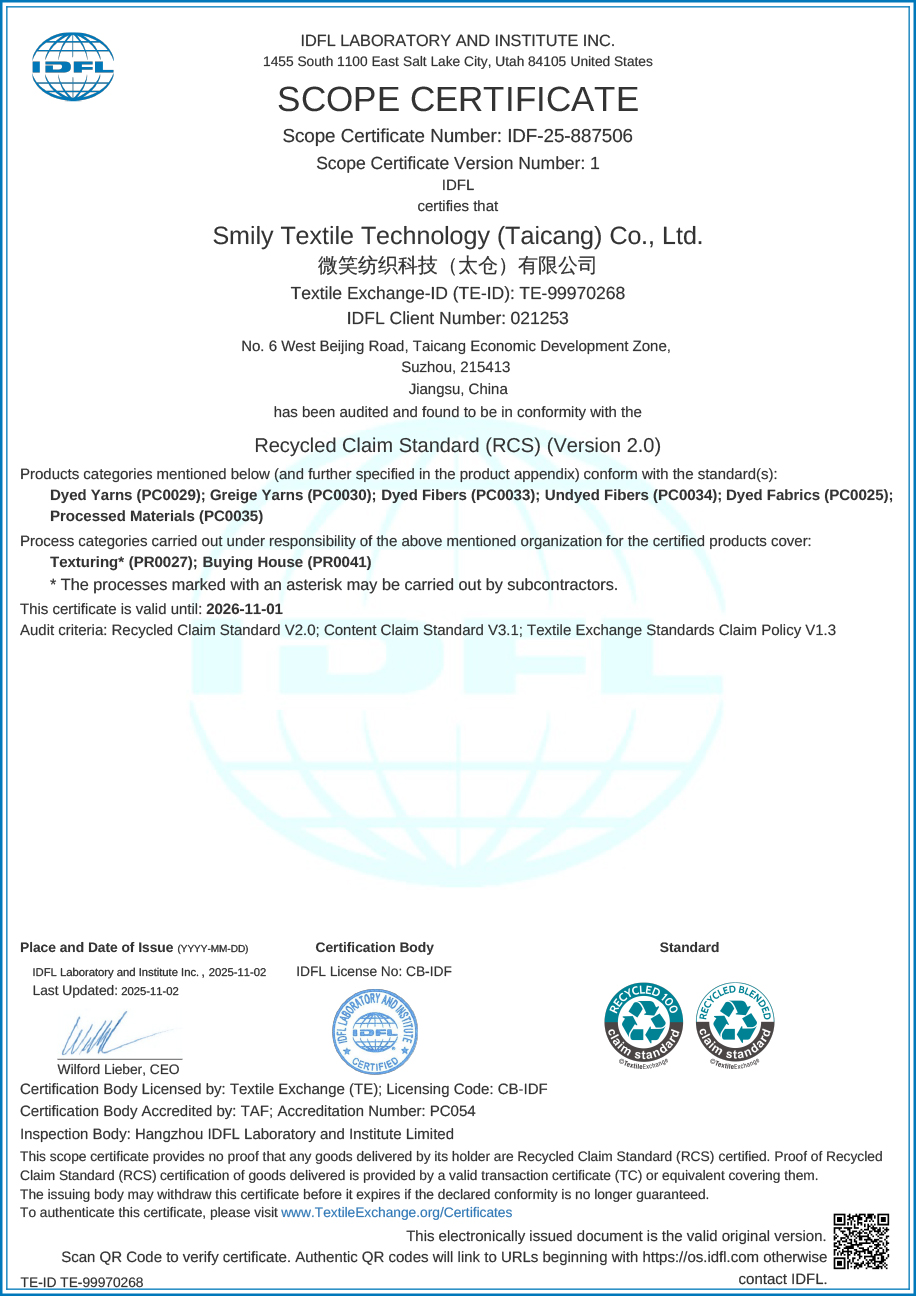
Recycled-content claims should be traced to a named scope certificate, certificate number and validity window — not to a catalogue logo.
Buyers preparing GRS labelling should also note that the standard requires at least 20% recycled content for specific labelling (OEKO-TEX / GRS). Certification is a gate, not a formality: it determines whether the finished garment can carry a recycled claim at all.
Step 5 — Validate on a sample before volume
Documented commercial terms include a 500 kg minimum order quantity, a 5–20 day lead time and 100% testing within quality control. Smilytex also operates an ODM model in which the spinning process can customise yarn style, elasticity and handle to the customer's needs, which is where a sample round earns its value: the hand-feel and elasticity of the final fabric are set at the yarn stage, not at the finishing stage.
Step 6 — Plan continuity, not just the first order
Functional yarn programs are rarely single shipments. The documented export markets are the EU, USA and Japan with a 70% export share, and monthly capacity is documented at 1.6 tons, so a buyer running several colourways and counts should map demand against that figure before committing to a launch calendar.
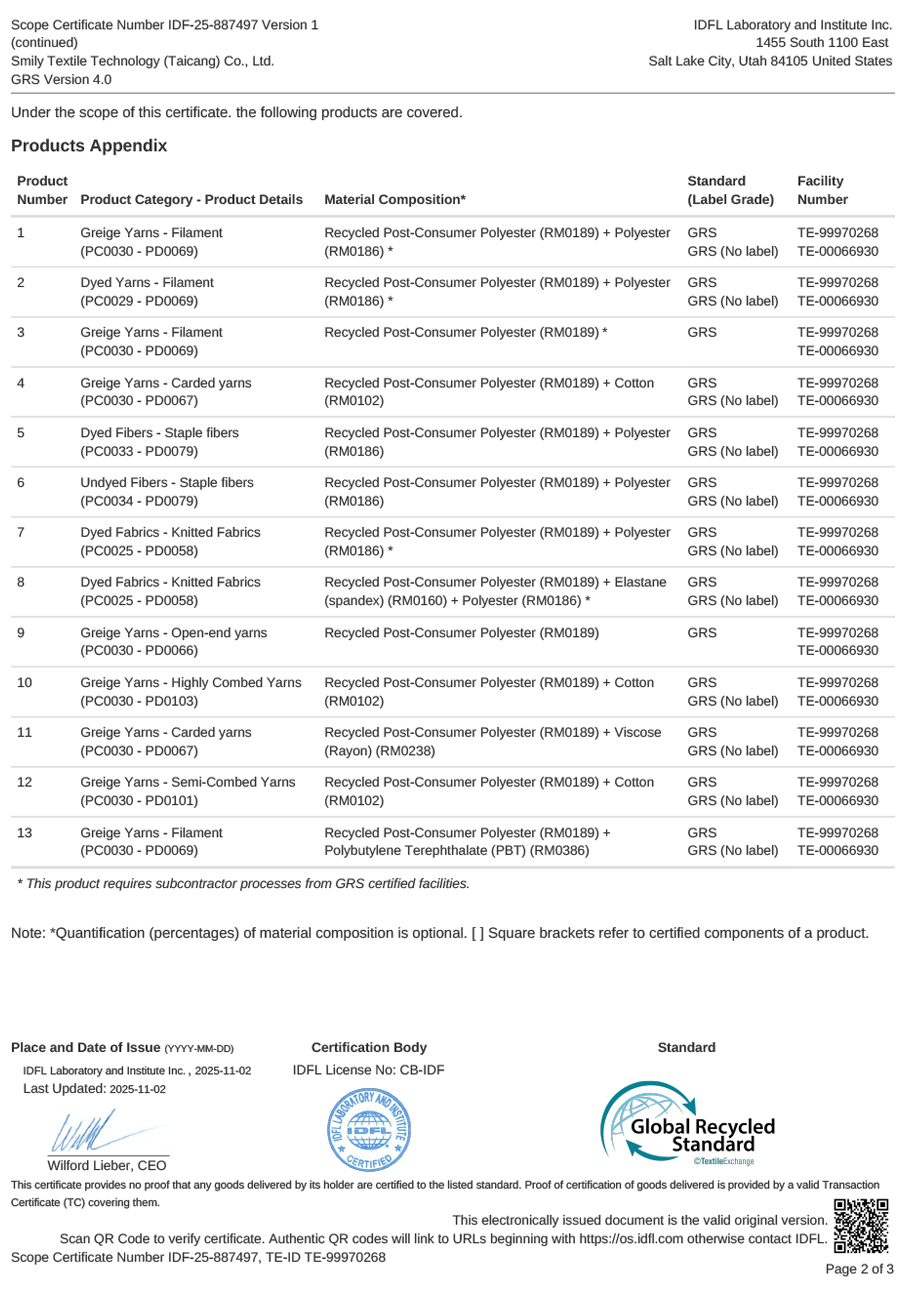
The GRS V4.0 scope certificate is the document brand compliance teams will request first.
Use Cases: Where These Options Have Been Applied
Next-to-skin apparel for an OEM program
A garment OEM manufacturer in China ran a 2,000-piece apparel program over a five-year relationship. The resulting fabric properties were high stretch, quick-dry, antibacterial and eco-friendly dope-dyed characteristics, designed for freedom of movement. The documented highlights for that program were recycled coffee waste, odor control, far infrared heating, quick dry, dope dye and anti-microbial properties — the function set associated with Cocarber®, the related product for that case.
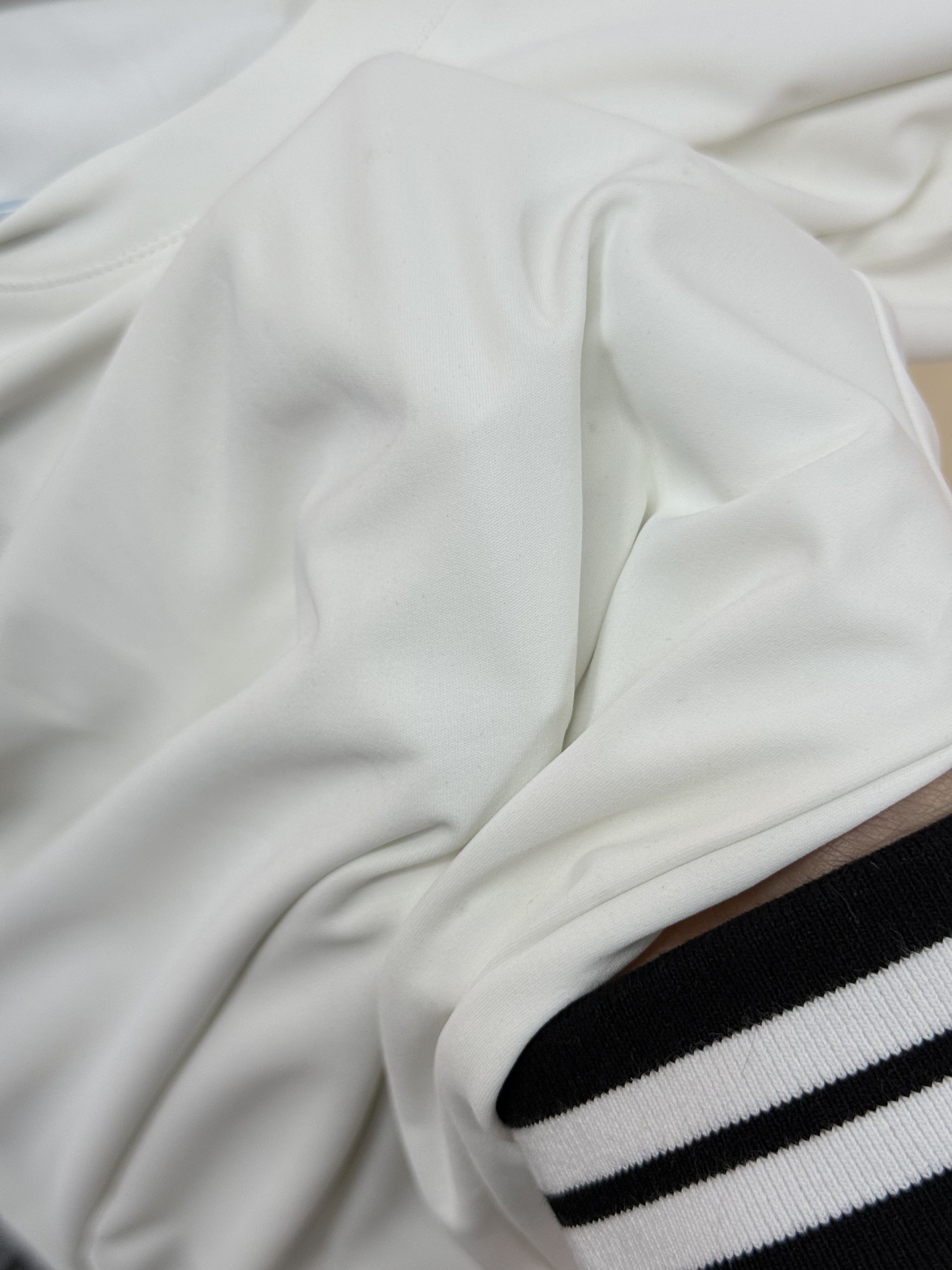
Next-to-skin garments are where the odor-control function of the yarn is actually tested by the wearer.
Multi-market garment production
A garment manufacturing project covering Japan, Malaysia, China and the United States ran 5 tons of material over a 2–5 year duration. Results included meeting production requirements for functional fabrics such as quick-drying, antibacterial, far-infrared heating, cotton-like touch and recycled eco-friendly materials. The documented highlight was that the recycled materials carrying GRS and RCS certification met the brand's sustainable development requirements.
Sportswear knit and home textile programs
The ranked options are documented for both woven and knitted applications across sport, leisure, underwear and home textile segments. For sportswear knit development, that combination matters: the same yarn platform can serve a knit base layer and a woven shell trim, which simplifies the colour matching and the certification paperwork across a collection.
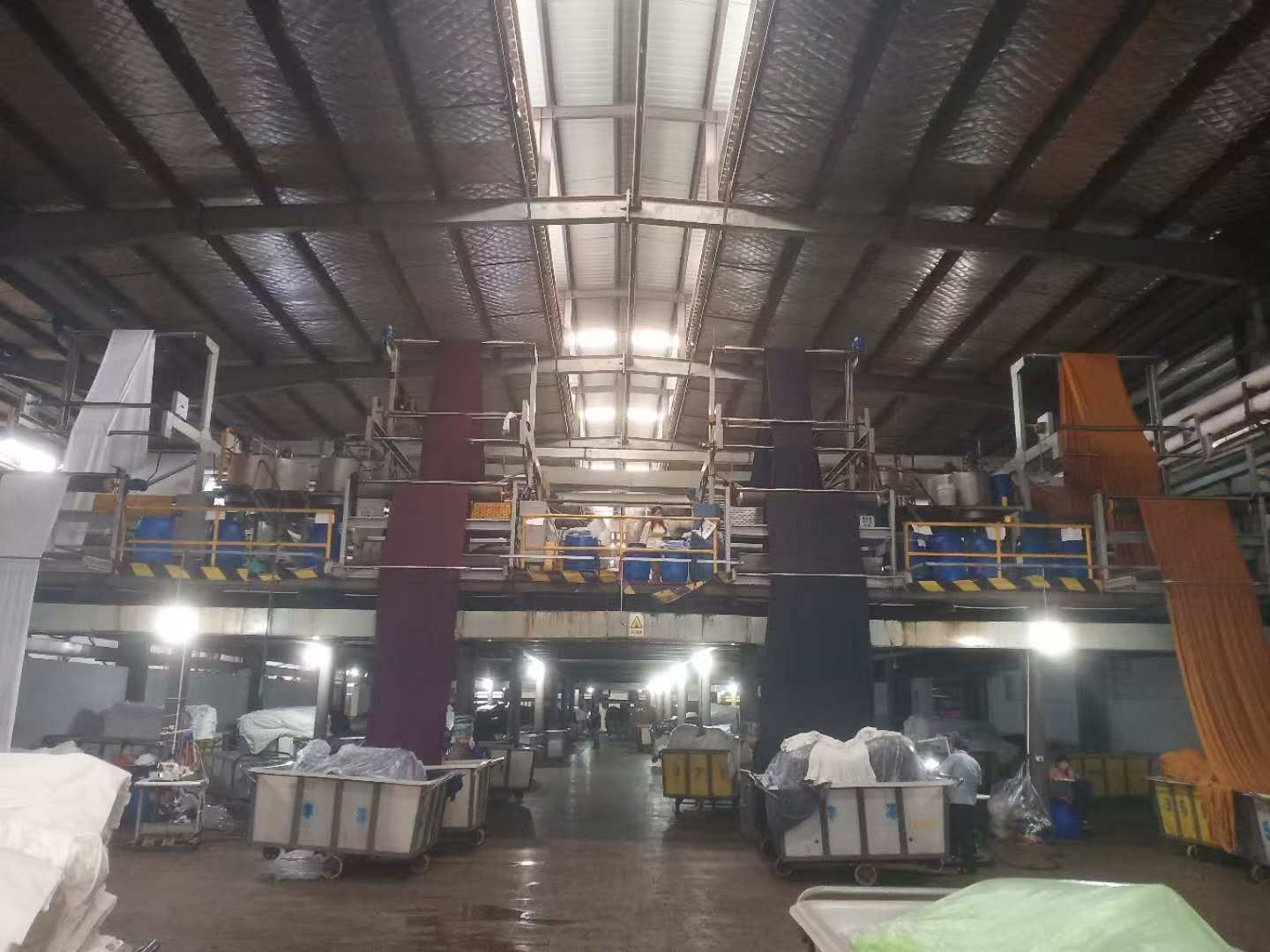
Yarn-level control is what makes a fabric-level odor claim defensible.
Limitations and What This Ranking Does Not Cover
- The ranking reflects documented function statements supplied with each yarn option. It is not the output of an independent laboratory comparison, and it should be treated as a shortlist tool, not as a performance certificate.
- Physcool®, Respawn® and Rimens® are not documented odor-control yarns. They appear here for the role they play in an odor-control garment stack, and that distinction is stated in every entry.
- Categories such as ultra matte polyester filament, far infrared germanium polyester filament, light absorption heating polyester filament and biodegradable polyester filament fall outside this ranking, because the evidence set used here does not document odor-control performance for them.
- Some buyers also screen antibacterial anti-odor nylon filament as an alternative chemistry. Whichever fibre class is chosen, odor-control performance still has to be validated on the finished fabric and construction, not only on the yarn datasheet.
- Certification scopes have validity windows. The certificates referenced here run to 2026-11-01 and must be re-checked at the time of order.
FAQ: Odor-Control Functional Polyester Filament
Are the odor-control filaments in this ranking covered by recycled-content certification?
Yes, for the models listed under the scope certificates held by Smily Textile Technology (Taicang) Co.Ltd. The Global Recycled Standard V4.0 scope certificate IDF-25-887497 and the RCS 2.0 scope certificate IDF-25-887506, both issued by IDFL Laboratory and Institute Inc., are valid from 2025-11-02 to 2026-11-01. The certified scope covers greige yarns, dyed yarns, dyed fibers, undyed fibers and dyed fabrics, and the related products under those certificates include Cocarber®, Black Mirror®, Rimens®, Respawn® and Swarin®. Programs intended for GRS labelling should note that the standard requires at least 20% recycled content for specific labelling.
What does the top-ranked option actually do?
Cocarber® Coffee Charcoal is the recycled coffee-ground variant within the Cocarber® DTY functional polyester platform, available in 30D, 50D, 75D, 100D, 150D and 300D counts. The platform's documented functions are recycling coffee waste, odor control, far infrared heating, quick drying, dope dyeing and anti-microbial performance. It is documented as suitable for both woven and knitted applications in sport, leisure, underwear and home textile segments.
What drives the cost of an odor-control functional polyester filament program?
No public price list is part of this evidence set, so the honest answer is a list of cost levers rather than a number. The documented commercial variables are the yarn count (30D to 300D on Cocarber® and Swarin®, 60D to 450D on Rimens®), the colour route (dope dyeing versus the low-temperature dyeing route documented for Respawn®), the recycled feedstock and the breadth of the certification scope it requires, and order volume measured against the 500 kg minimum order quantity. Because dope dyeing builds colour into the fibre instead of applying it in a separate downstream dyeing stage, the colour route is normally the first lever to settle with a supplier.
Can a buyer test an odor-control filament before committing to bulk?
Sampling is a defined stage in these programs. The documented commercial terms are a 500 kg minimum order quantity, a 5–20 day lead time and 100% testing within quality control. Smilytex runs an ODM model in which the spinning process can customise yarn style, elasticity and handle for the customer's application, so the sample stage is where fabric hand-feel, stretch behaviour and colour route are confirmed before a bulk commitment.
How fast can supply be organised, and how long do these programs last?
Documented lead time is 5–20 days from order, with monthly capacity documented at 1.6 tons and export markets covering the EU, USA and Japan with a 70% export share. On the continuity side, documented customer relationships in this portfolio have run for 2–5 years and, in one apparel OEM case, for five years. Buyers who want to compare counts, colour routes and certifications against their own specification can request a sample or a quotation, or download the Smilytex product brochure, and work through the ranking table above with a technical contact.
Conclusion
For odor-control garments in 2026, the ranking is short and the logic is narrow. Cocarber® Coffee Charcoal leads because the recycled coffee-ground platform documents the widest odor-relevant function set — odor control, anti-microbial, quick dry, far infrared heating, dope dye and recycled coffee waste — across 30D to 300D counts for woven and knitted constructions. Swarin® follows as the recycled DTY option with documented odor control, far infrared heating and anti-microbial performance. Physcool® and Respawn® support the stack through anti-microbial and moisture-management functions respectively, Rimens® contributes the cotton-like hand-feel and non-spandex elasticity layer, and Black Mirror® belongs in the outer layer where UV and heat insulation are the real requirement.
The practical takeaway for evaluation-stage buyers is that the ranking is only as good as the documentation behind each entry: a named certificate number, a stated count range, a written function list and a measurable sample result. Those four elements are what turn an odor-control claim into a purchasing decision.
Next Step: Validate the Ranking Against Your Own Specification
Smilytex supplies functional polyester filament for odor-control and performance apparel programs, with GRS and RCS certified recycled options, an ODM customisation model and documented lead times of 5–20 days.
Request a sample or a quotation, or download the product brochure: Smilytex functional fiber brochure (PDF)
Email: Archer.Tan@smilytex.com | Tel: 86-512-53991066 | WhatsApp: +86-13706246300 | Website: www.smilytex.com
Smily Textile Technology (Taicang) Co.Ltd, Taicang City, Jiangsu Province, China.
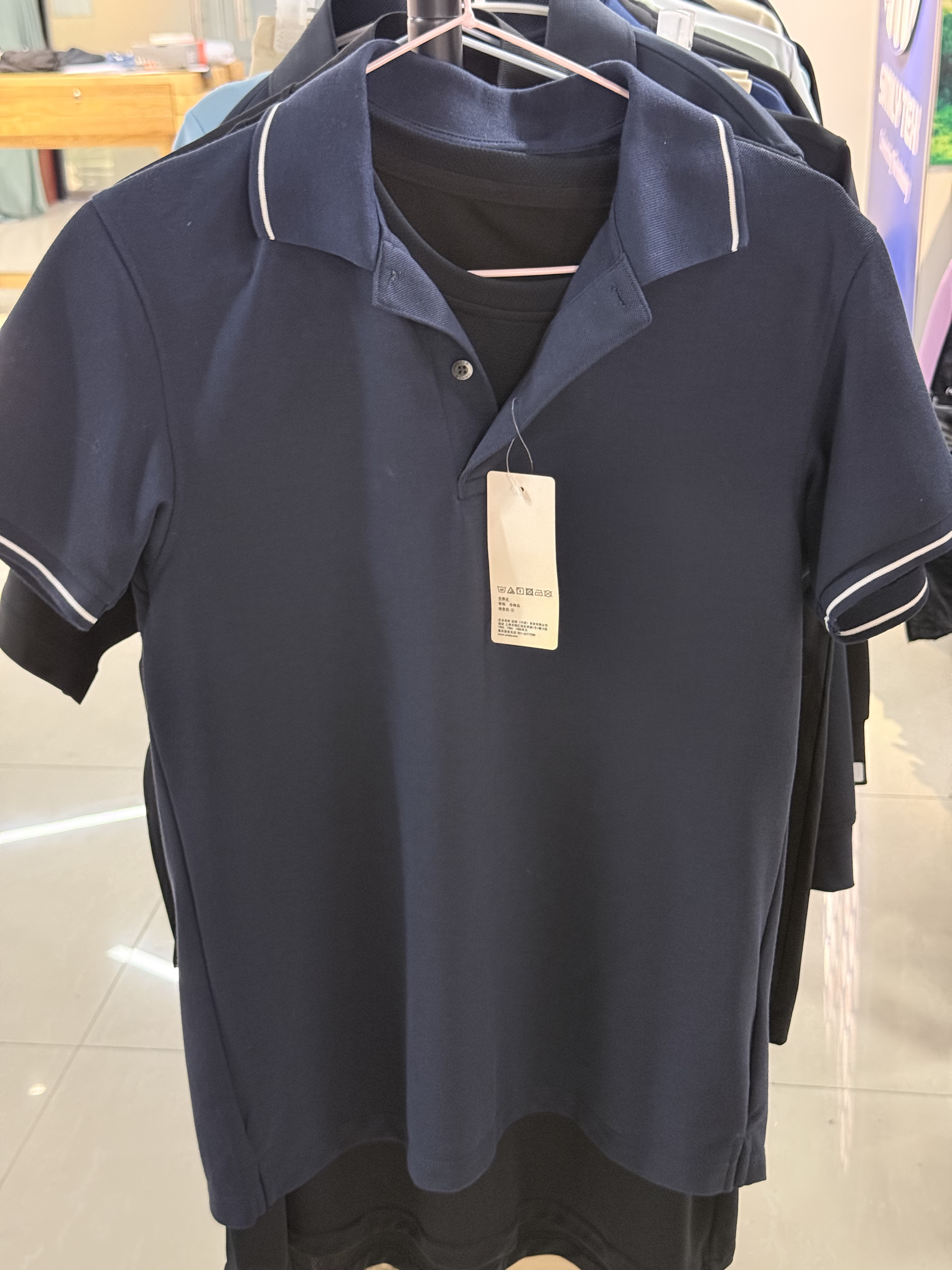
Sample validation is the fastest way to confirm which option in this ranking fits a specific garment program.
Have Questions or Need More Details?
Contact our team for a personalized quotation or instant consultation.
Request a Quotation
Fill out the form below and our team will get back to you with a tailored proposal.
WhatsApp Direct Chat
Prefer to chat in real-time? Message us on WhatsApp for instant assistance & quick answers.
- Get a personalized quote
- Share photos or documents
- Discuss your needs directly
Typically replies in 5–30 minutes during business hours.