
Coffee Charcoal vs. Recycled Coffee-Ground Polyester: Which Route Fits Your Garment Program?
Two functional polyester filament routes are sold under the same coffee story, and buyers often treat them as interchangeable. They are not. Coffee charcoal antibacterial polyester filament converts coffee waste into carbonised charcoal that is dispersed into the filament as a functional additive, and its job is odour control, antibacterial performance and — where specified — warming or far infrared behaviour. The recycled coffee-ground route mills coffee grounds into a functional masterbatch that carries the active ingredient, and usually the colourant, into the spinning melt, which makes it a natural partner for recycled polyester feedstock and dope-dyed colour. One route is bought for hygiene claims; the other is bought for recycled-content positioning and dyeing efficiency.
Smilytex (Smily Textile Technology (Taicang) Co. Ltd) is a Taicang, Jiangsu-based developer and supplier of functional fiber and functional fashion fabrics, established in 2017, with a product range that includes coffee charcoal antibacterial polyester filament alongside recycled, low-temperature-dyeable, moisture-management and far infrared series. This guide compares the two coffee-based routes head to head on the dimensions that decide a garment program — odour control and antibacterial function, far infrared behaviour measured under GB/T 30127, quick drying, dope dyeing, caffeine residue and compliance verification, and the equipment chain each route requires — and closes with route-selection criteria for apparel buyers.
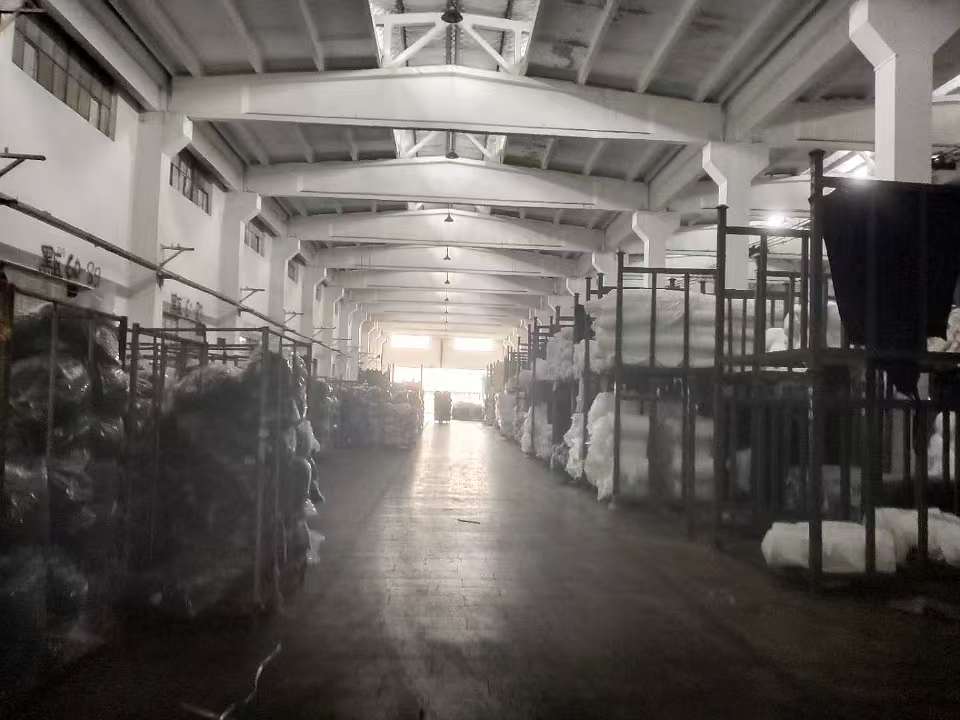
Smilytex production base in Taicang, Jiangsu, where functional polyester filament programs are developed and inspected.
Why these two coffee routes get confused — and what that costs
Both routes are marketed as coffee waste recycling, both are quoted as functional polyester filament, and both can sit on the same RFQ line. The practical difference is where the function is engineered and what actually carries it into the fabric.
- Coffee charcoal antibacterial route. Coffee waste is converted into a charcoal-type additive. The function travels with the additive dispersed inside the filament. Typical briefs are odour control, antibacterial performance and, in some programs, warming or thermal-retention features. Colour is normally delivered through dope dyeing or piece dyeing.
- Recycled coffee-ground masterbatch route. Coffee grounds are processed into a functional masterbatch together with a carrier polymer, and colorants are compounded into the same masterbatch. That masterbatch is then metered into the spinning melt, which can be built on recycled polyester feedstock. Typical briefs are recycled content, dope-dyed colour, and a secondary functional effect.
When a buyer treats the two as one option, five predictable problems follow:
- Test method mismatch. An antibacterial claim tested under one method may not be accepted in the target market. Claims should be defined against validated test standards — ISO 20743 or AATCC 100, as applicable — and confirmed before any performance commitment is made.
- Certification mismatch. GRS and OEKO-TEX-specific labelling require at least 20% recycled content. A route that does not actually contain recycled feedstock cannot carry a recycled label, regardless of how the marketing reads.
- Shade control error. Dope-dyed shades are managed by production batch; piece-dyed shades are managed by dye lot. The control method, and the shading sheet the buyer receives, are not the same.
- Processing incompatibility. Heat-setting, brushing, and coating or lamination can shift handfeel, colour and functional performance, so the processing window has to be agreed and confirmed on a pilot run rather than assumed.
- Fabric-level claim drift. Antibacterial and far infrared results vary with fabric construction and test method. A yarn data sheet does not automatically convert into a garment-level claim.
Industry background: two growth curves behind one material story
Functional polyester filament is not a niche product category any more. The global polyester fiber market was valued at USD 82.07 billion in 2025 and is projected to reach USD 148.11 billion by 2034, while the filament yarn segment specifically was estimated at USD 106.4 billion in 2024 with a projected 3.72% CAGR to 2035. Those two figures describe different scopes — total polyester fiber versus filament yarn only — so third-party size numbers should only be compared within the same scope.
Asia Pacific held a 65% share of the polyester fiber market in 2025, led by China and India, which is why most functional filament development and sourcing conversations happen with Chinese mills. On the recycled side, the global recycled polyester market was valued at USD 15.52 billion in 2024 and is expected to reach USD 26.18 billion by 2030, a 9.25% CAGR — a faster growth curve than the base polyester market, which is exactly why the coffee-ground masterbatch route has gained commercial attention.
Two structural factors shape route selection. First, certification: textile certifications such as OEKO-TEX Standard 100 and the Global Recycled Standard require at least 20% recycled content for specific labelling, so recycled positioning has a measurable content threshold attached to it. Second, demand pull: the athleisure industry’s preference for moisture-wicking and antimicrobial polyester blends is one of the primary performance-textile trends for 2024–2026. At industry scale, the filament yarn field is led by groups such as Indorama Ventures, Reliance Industries, Toray Industries and Teijin Limited, which is useful context for benchmarking, but it does not decide which coffee-based route fits a specific garment program.
Function-by-function comparison of the two routes
1. Odour control and antibacterial function
This is the core value proposition of the coffee charcoal antibacterial route. The carbonised coffee-derived additive is dispersed into the filament, and the resulting fabric is specified against an agreed antibacterial test method such as ISO 20743 or AATCC 100, as applicable. Functional polyester of this type shows an antibacterial rate of ≥90% in tested items, with wash durability of 30–50+ washes depending on construction and test method.
On the recycled coffee-ground masterbatch route, antibacterial function is a secondary effect that depends on how much functional masterbatch is dosed into the melt and how evenly it disperses. The verification method does not change — the same antibacterial standard applies — but the claim should be tested on the finished fabric, not inferred from the masterbatch specification. For hygiene-sensitive apparel programs, the coffee charcoal route carries the primary claim more directly; for programs where recycled content leads and odour control supports, the masterbatch route can still be specified, provided the fabric is tested.
2. Far infrared and thermal retention
Far infrared (FIR) claims on functional polyester are validated per GB/T 30127 or an equivalent standard, and that applies to both routes. Where a warming or thermal-retention feature is requested alongside odour control, the coffee charcoal route is the one usually asked to carry it, because the carbonised additive is already present in the filament structure. On the masterbatch route, FIR behaviour would have to be engineered into the masterbatch formulation and then validated the same way.
The decision rule is simple: the standard is identical for both routes, and the result is a fabric-level measurement. Construction and colour influence the measured result, so FIR should be locked as an acceptance criterion with a named test standard and a named fabric construction before the order is placed, not after.
3. Quick drying and moisture management
Neither coffee route automatically delivers quick drying. Moisture management is a separate yarn-design decision, and it must be written into the brief explicitly. Where it is engineered in, functional polyester shows drying time reduced by 30%–50% and moisture-wicking rate increased by 50%–200% compared with baseline regular polyester, with the actual figure depending on fabric construction and the test method used.
This matters because buyers sometimes assume that a “functional” coffee yarn is also a moisture-management yarn. It is not, unless the specification says so. If the program is base layers, intimate apparel or high-sweat sportswear, treat moisture management as a parallel requirement to the coffee-based function and confirm both in the same sample round.
4. Dope dyeing, colour and shade control
Dope dyeing is where the recycled coffee-ground masterbatch route has a structural advantage: because colorants are compounded into the masterbatch, colour and function are delivered in the same dosing step. Compared with conventional piece-dyed polyester, dope-dyed options can reduce dyeing steps and the related water and energy use — the most commonly cited basis for energy-saving and environmental positioning in this material family.
Shade control then follows the dyeing method. Dope-dyed shades are compared by production batch, piece-dyed shades by dye lot, and a shading sheet can be requested where the program needs it. Whatever the route, the pre-production approval workflow should include lab dips or bulk shade approval and a pilot run before full production, because shade variation is one of the most common causes of rejected lots in functional filament programs.
5. Caffeine residue and safety verification
Coffee-derived inputs deserve a verification step that ordinary polyester does not require. Buyers sourcing coffee-ground-based materials typically request caffeine residue confirmation through LC-MS/MS trace analysis, with the acceptance limit agreed in writing and confirmed by a third-party laboratory before bulk production. Treating the limit as a negotiated, documented specification item — rather than a verbal assurance — is the practical control.
That sits alongside the standard compliance stack: restricted substances (RSL) screening against the buyer’s own RSL, MSDS and TDS documentation where applicable, and for high-risk end uses such as babywear, medical or protective workwear, confirmed standards plus third-party lab testing before launch. Recycled-content claims sit on the same footing: GRS and OEKO-TEX-specific labelling require at least 20% recycled content.
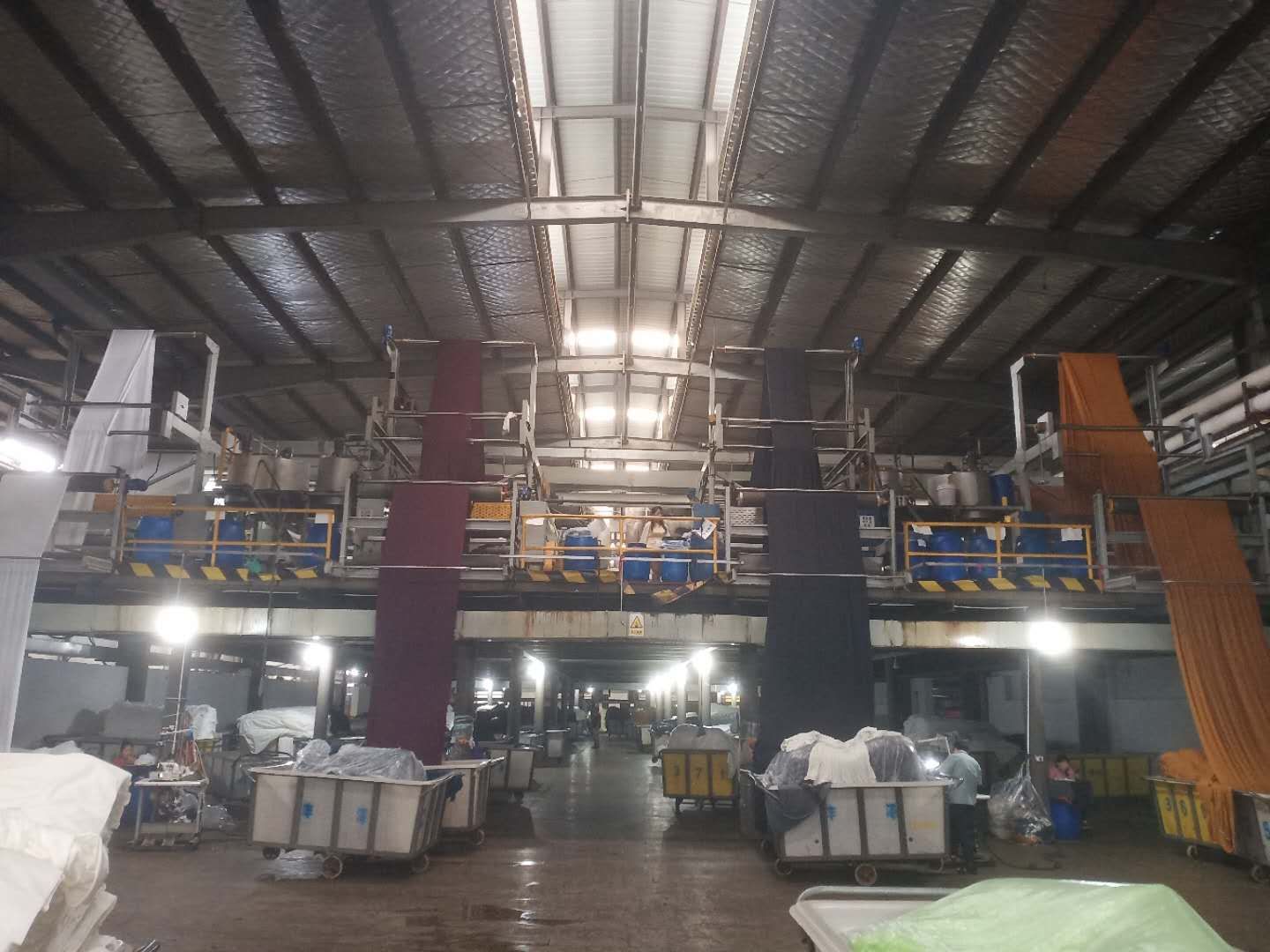
Functional filament production floor: additive dosing, masterbatch blending and spinning run on the same equipment chain.
Side-by-side comparison: coffee charcoal vs. recycled coffee-ground masterbatch
| Decision factor | Coffee charcoal antibacterial filament | Recycled coffee-ground masterbatch route |
|---|---|---|
| How the function is carried | Carbonised coffee-derived additive dispersed in the filament | Functional masterbatch, metered into the spinning melt |
| Base polymer | Polyester filament, virgin or recycled feedstock as specified | Polyester filament built on recycled feedstock; recycled content share determines label eligibility (GRS / OEKO-TEX require at least 20% for specific labelling) |
| Odour / antibacterial claim | Primary claim; validated per an agreed method such as ISO 20743 / AATCC 100, as applicable; antibacterial rate ≥90% in tested items | Secondary effect, dependent on masterbatch dosing; same test methods apply and must be run at fabric level |
| Far infrared / thermal retention | Commonly specified together with odour control; validated per GB/T 30127 or equivalent | Can be engineered in, but the validation standard is identical |
| Quick drying | Not automatic — requires a moisture-management yarn design (drying time ↓30%–50%, moisture-wicking ↑50%–200% vs baseline regular polyester, by construction and test method) | Same requirement; specify moisture management separately |
| Colour route | Dope dyeing or piece dyeing | Dope dyeing is the natural fit: colorant is compounded into the masterbatch |
| Energy and cycle | Dope-dyed options reduce dyeing steps and related water and energy use | Same dope-dye logic, plus a masterbatch compounding step at the front end |
| Shade control | Batch control for dope-dyed; dye-lot control for piece-dyed; shading sheet on request | Batch control, with shade approval built into the pre-production workflow |
| Residue and safety | RSL screening, MSDS/TDS; third-party lab testing for high-risk end uses | RSL screening, MSDS/TDS, plus caffeine residue verification via LC-MS/MS at an agreed acceptance limit |
| Main risk to manage | Performance claim risk — results vary by construction and test method | Masterbatch dispersion and processing compatibility, plus batch-to-batch shade variation |
| Typical program fit | Hygiene-sensitive apparel, base layers, odour-control garments | Programs where recycled content, recycled-content labelling and dope-dyed colour lead the brief |
What equipment each route needs: a step-by-step breakdown
Both routes run through the same broad production chain. The difference is concentrated in the first three steps, where the coffee material is converted and dosed.
- Coffee waste conversion. In the charcoal route, coffee waste is converted into a charcoal-type additive. In the masterbatch route, coffee grounds are dried and milled into a powder that will become part of a masterbatch formulation.
- Masterbatch and additive compounding. The functional component is compounded with a carrier polymer, and in the masterbatch route the colorants go into the same formulation. This is the step that determines dosing accuracy and dispersion quality downstream.
- Feedstock preparation and blending. Polyester chips — including recycled polyester feedstock where the program calls for it — are dried and blended with the masterbatch in a defined ratio. The recycled content share is what determines whether GRS or OEKO-TEX-specific labelling is achievable, given the 20% content threshold.
- Melt spinning. Spinning machines extrude, draw and wind the filament. In dope-dyed programs the colour enters with the blend, which is why the dyeing step downstream can be shortened or removed.
- Yarn processing. Depending on the brief, filament may be further processed to meet handfeel or stretch requirements — for example cotton-touch or non-spandex stretch variants in a broader functional portfolio.
- Knitting or weaving. Circular knitting looms, warp knitting machines or weaving looms convert the filament into the target structure, including sportswear and sustainable polyester filament knit fabrics.
- Fabric finishing. Heat-setting, brushing, and coating or lamination are applied within an agreed processing window, because these operations can change handfeel, colour and functional performance.
- Functional testing instruments. Antibacterial performance per ISO 20743 or AATCC 100 as applicable, far infrared per GB/T 30127 or equivalent, moisture management and quick-drying measurement, and — for coffee-ground routes — caffeine residue by LC-MS/MS. Routine quality inspection covers GSM, width, shrinkage and strength, with performance testing run as requested.
- Documentation and traceability. Batch and lot records, retained samples for verification, MSDS/TDS where applicable, and a corrective and preventive action (CAPA) process if a quality or performance deviation appears, including support for re-testing.
Use cases: matching each route to a garment program
The four application families where this material choice actually gets made are activewear and athleisure, workwear and outdoor apparel, base layers and intimate apparel, and hygiene-sensitive apparel. The route decision inside each one follows a different logic.
- Activewear and athleisure. The brief usually leads with comfort and moisture management, with odour control as a supporting claim. Specify quick drying and moisture management explicitly, then choose the coffee route that carries the primary marketing claim — recycled content for sustainability-led ranges, antibacterial for performance-led ranges.
- Workwear and outdoor apparel. Durability and thermal behaviour tend to matter more. Where a warming or far infrared feature is required alongside odour control, the coffee charcoal route keeps both functions in one filament specification, validated under GB/T 30127 or equivalent.
- Base layers and intimate apparel. Moisture management and skin comfort dominate, and comfort-relevant claims should be tested on the actual construction. Dope-dyed options also help here, because reduced dyeing steps support the softer environmental story that intimate apparel brands usually want.
- Hygiene-sensitive apparel. This is where the coffee charcoal antibacterial route is the direct answer, because the antibacterial claim is primary rather than secondary, and it is validated with a named test method and a wash-durability target.
Decision criteria: choosing a route in five minutes
- Name the lead claim. If it is odour control or antibacterial performance, the coffee charcoal route leads. If it is recycled content and recycled-content labelling, the coffee-ground masterbatch route leads.
- Check the content threshold. GRS and OEKO-TEX-specific labelling require at least 20% recycled content — confirm the recycled share in the blend before promising a label.
- Fix the test standards in writing. ISO 20743 or AATCC 100 for antibacterial, GB/T 30127 or equivalent for far infrared — agreed before sampling, not after.
- Decide the colour route. Dope dyeing shortens the dyeing stage and reduces related water and energy use; piece dyeing changes the shade-control method to dye-lot control.
- Plan the residue verification. For coffee-ground-based inputs, agree the caffeine residue acceptance limit and have it confirmed by a third-party laboratory using LC-MS/MS before bulk.
- Confirm the processing window. Heat-setting, brushing, coating or lamination parameters must be agreed so handfeel, colour and performance survive finishing.
- Run the staged validation. Standard alignment, sample and benchmark testing, lab dips or shade approval, then a pilot run before full production.
- Lock traceability. Batch records, retained samples and a CAPA route in case of deviation.
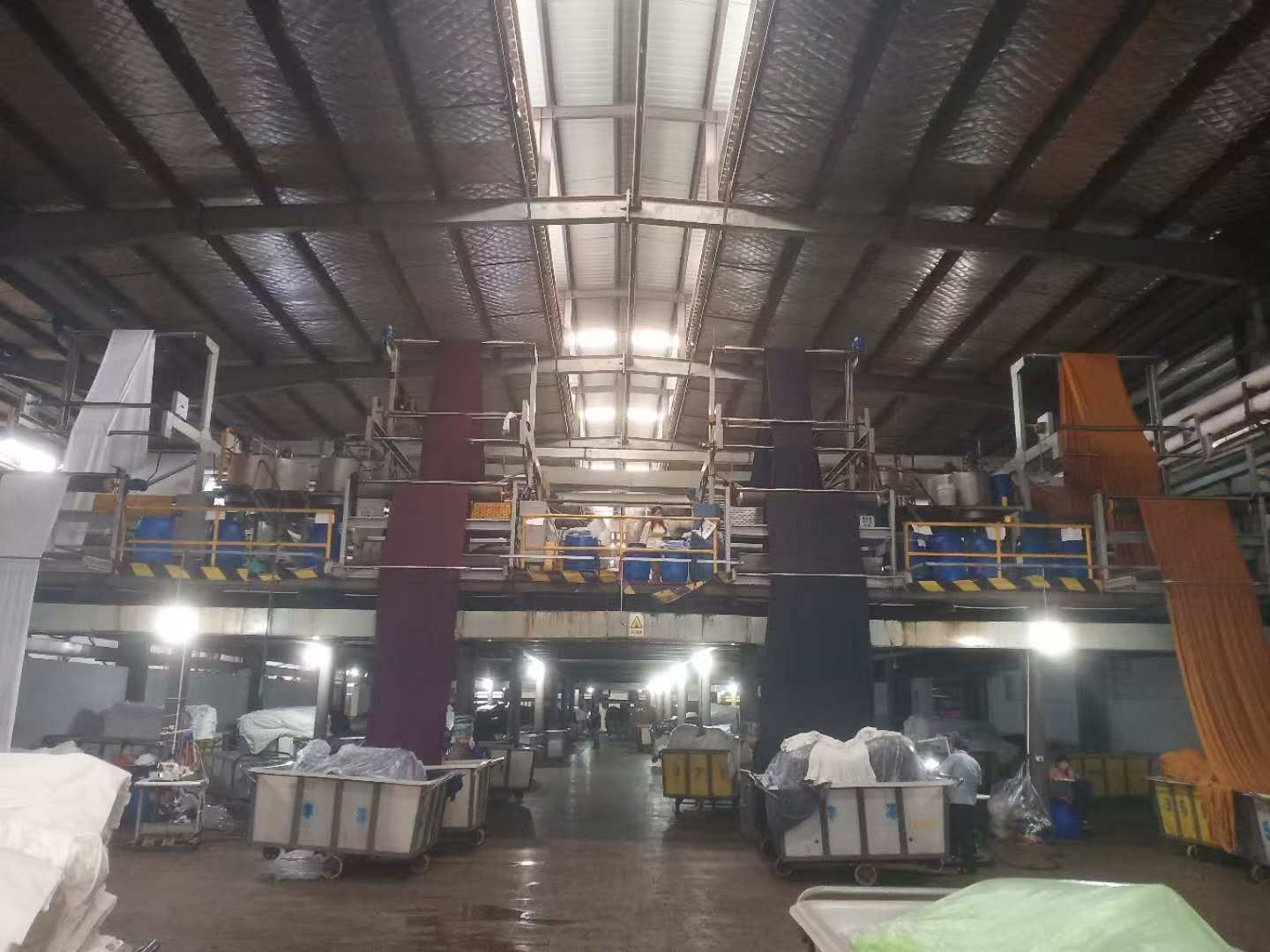
Processing equipment supporting both dope-dyed and piece-dyed functional polyester programs.
Frequently asked questions
Do coffee-derived functional polyester yarns need extra compliance verification?
Yes, more than a standard polyester yarn. Coffee-derived inputs are still textile inputs, so the usual route applies: restricted substances (RSL) screening against the buyer’s own RSL, plus MSDS and TDS documentation where applicable. Where coffee grounds are used in masterbatch form rather than as carbonised charcoal, buyers typically add a residue verification step — caffeine residue confirmation by LC-MS/MS trace analysis, with the acceptance limit agreed in writing and confirmed by a third-party laboratory before bulk production. For high-risk end uses such as babywear, medical or protective workwear, standards must be confirmed and third-party lab testing completed before launch. Recycled-content labels carry their own threshold: GRS and OEKO-TEX-specific labelling require at least 20% recycled content.
Can one yarn deliver odour control, far infrared and quick drying at the same time?
The functions can be combined, but each claim has to be validated separately at fabric level. Smilytex functional polyester is engineered at the yarn and material level through additives, masterbatch and specific yarn designs. Functional polyester shows an antibacterial rate of ≥90% in tested items with wash durability of 30–50+ washes, depending on construction and test method; antibacterial performance is measured per an agreed method such as ISO 20743 or AATCC 100. Far infrared claims are validated per GB/T 30127 or an equivalent standard. Quick drying is a separate yarn-design decision, with functional polyester showing drying time reduced by 30%–50% and moisture-wicking rate increased by 50%–200% versus baseline regular polyester. Combining all three is realistic when each one is specified and tested, rather than assumed from the yarn name.
Which route costs more — coffee charcoal or recycled coffee-ground masterbatch?
Functional polyester typically carries a premium over regular polyester, and the size of that premium depends on the function required, the fabric construction and the order quantity, so the real answer comes from a confirmed specification rather than a headline price. Two cost levers separate the routes. The recycled coffee-ground masterbatch route adds a compounding step but supports recycled-content positioning, and recycled-content labelling has a 20% content threshold that has to be engineered into the blend. The coffee charcoal route concentrates cost in the functional additive and in its verification. Dope-dyed options in either route can reduce dyeing steps and related water and energy use compared with conventional piece dyeing, which is usually where the energy-saving argument originates. A cost-optimised proposal can be prepared once target specifications and volume are confirmed.
How should a buyer validate the chosen route before bulk production?
Run a staged validation. First, align test standards and acceptance criteria in writing, because antibacterial, UV and far infrared results vary with fabric construction and test method. Second, request sample and benchmark testing on the actual construction you intend to sell. Third, complete the pre-production approval workflow — lab dips or bulk shade approval, then a pilot run before full production. Smilytex supports this with clear application guidance and stated limitations in the specification, batch and lot traceability records, retained samples for verification, and a CAPA process if a quality or performance deviation appears, including support for re-testing. If you want to close the loop on a specific program, request a sample or quotation at www.smilytex.com.
Does route choice change the production timeline?
Route choice changes where the time is spent. Dope-dyed options reduce dyeing steps and the associated water and energy use, which shortens the dyeing stage of the cycle; the coffee-ground masterbatch route adds a compounding step before spinning, and dope-dyed colour requires batch-level shade control and approval. The front-end approval workflow — standard alignment, lab dips or shade approval, and a pilot run — is the part buyers most often underestimate, and it applies to both routes. Confirm the schedule against your confirmed specification and volume rather than against a generic lead time.
Conclusion: match the route to the claim you must defend
The coffee charcoal and recycled coffee-ground routes share a raw material story but not a commercial purpose. Coffee charcoal antibacterial polyester filament exists to carry odour control, antibacterial performance and, where specified, far infrared thermal retention inside the filament — validated under named standards such as ISO 20743 or AATCC 100 and GB/T 30127 or equivalent. The recycled coffee-ground masterbatch route exists to carry recycled content and dope-dyed colour into the melt, which is why it aligns so naturally with recycled feedstock and with the 20% recycled-content threshold that GRS and OEKO-TEX-specific labelling require.
Choose the route by the claim you will have to defend in your market. Then lock four things before bulk: the test standard for every functional claim, the colour route and its shade-control method, the caffeine residue acceptance limit confirmed by third-party LC-MS/MS where coffee-ground materials are used, and the processing window for finishing. When those four are documented, the route decision stops being a marketing conversation and becomes a specification.
For specifications, sampling and route recommendations on coffee-based functional polyester filament, contact Smilytex: Email Archer.Tan@smilytex.com, Tel 86-512-53991066, WhatsApp +86-13706246300, or download the Smilytex product brochure.
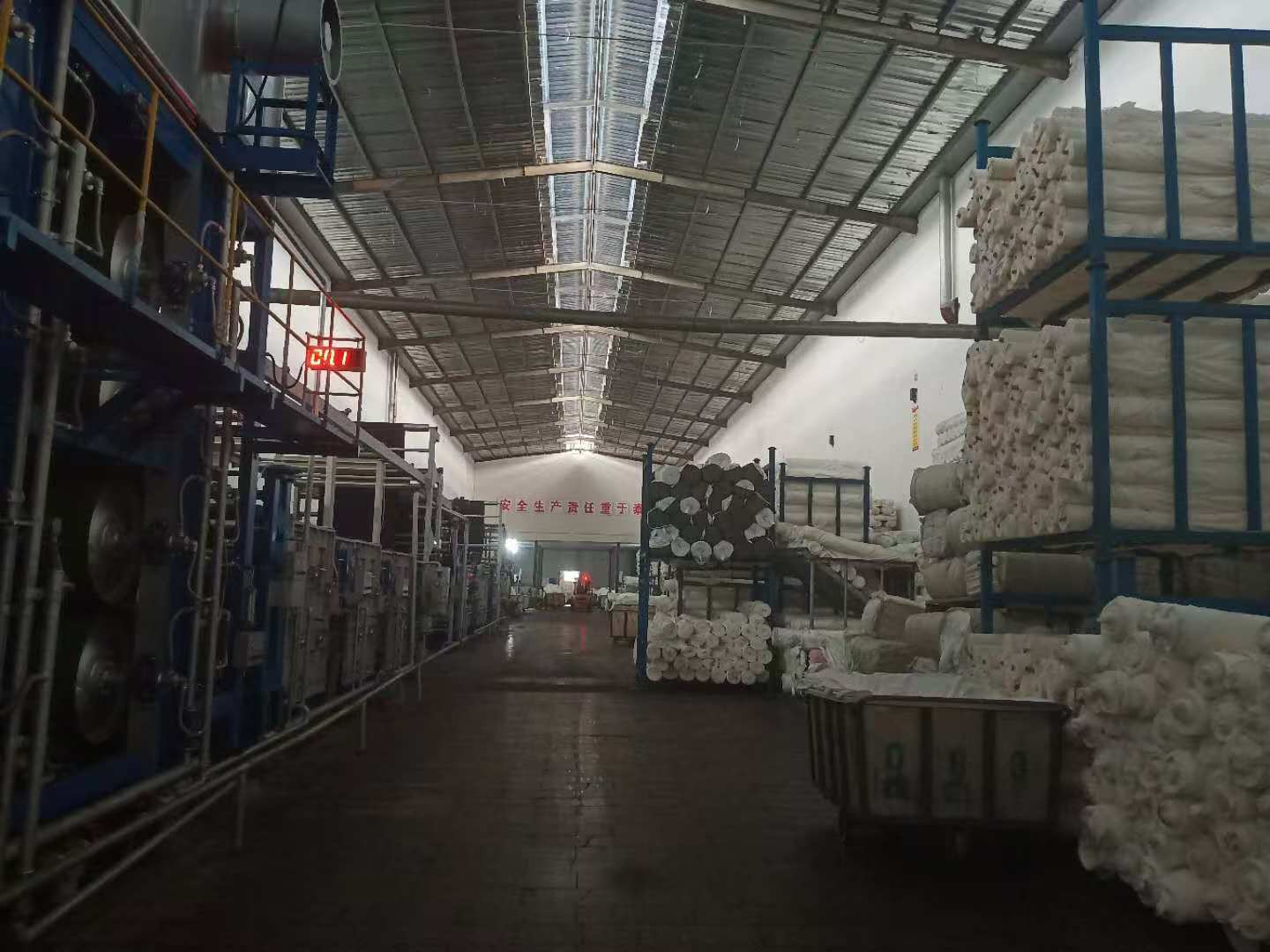
Sample, benchmark testing and bulk order support for coffee-based functional polyester filament programs.
Next step: test both routes on your own construction
Ask for a sample of coffee charcoal antibacterial polyester filament and a recycled coffee-ground masterbatch option, specify the functional claims and standards you need, and Smilytex will respond with a route recommendation and a cost-optimised proposal based on your confirmed specification and volume.
Email: Archer.Tan@smilytex.com | Tel: 86-512-53991066 | WhatsApp: +86-13706246300
Website: www.smilytex.com | Brochure: download the Smilytex catalog (PDF)
Have Questions or Need More Details?
Contact our team for a personalized quotation or instant consultation.
Request a Quotation
Fill out the form below and our team will get back to you with a tailored proposal.
WhatsApp Direct Chat
Prefer to chat in real-time? Message us on WhatsApp for instant assistance & quick answers.
- Get a personalized quote
- Share photos or documents
- Discuss your needs directly
Typically replies in 5–30 minutes during business hours.