Functional Polyester Filament vs Regular PET: Decision Guide
Published: August 22, 2026
Functional polyester filament is a polyester yarn engineered at the material level to deliver measurable performance benefits, including moisture management, UV resistance, antibacterial options, far-infrared thermal functions, flame retardancy, and improved opacity. Regular PET filament is standard polyester yarn whose functionality depends mainly on fabric construction and finishing. At the decision stage, buying teams need a clear comparison method, not just a price list.
The short answer: choose functional polyester filament when the final product must meet a defined functional KPI. Choose regular polyester when no such KPI is required. The rest of this guide explains how to make that decision with evidence.
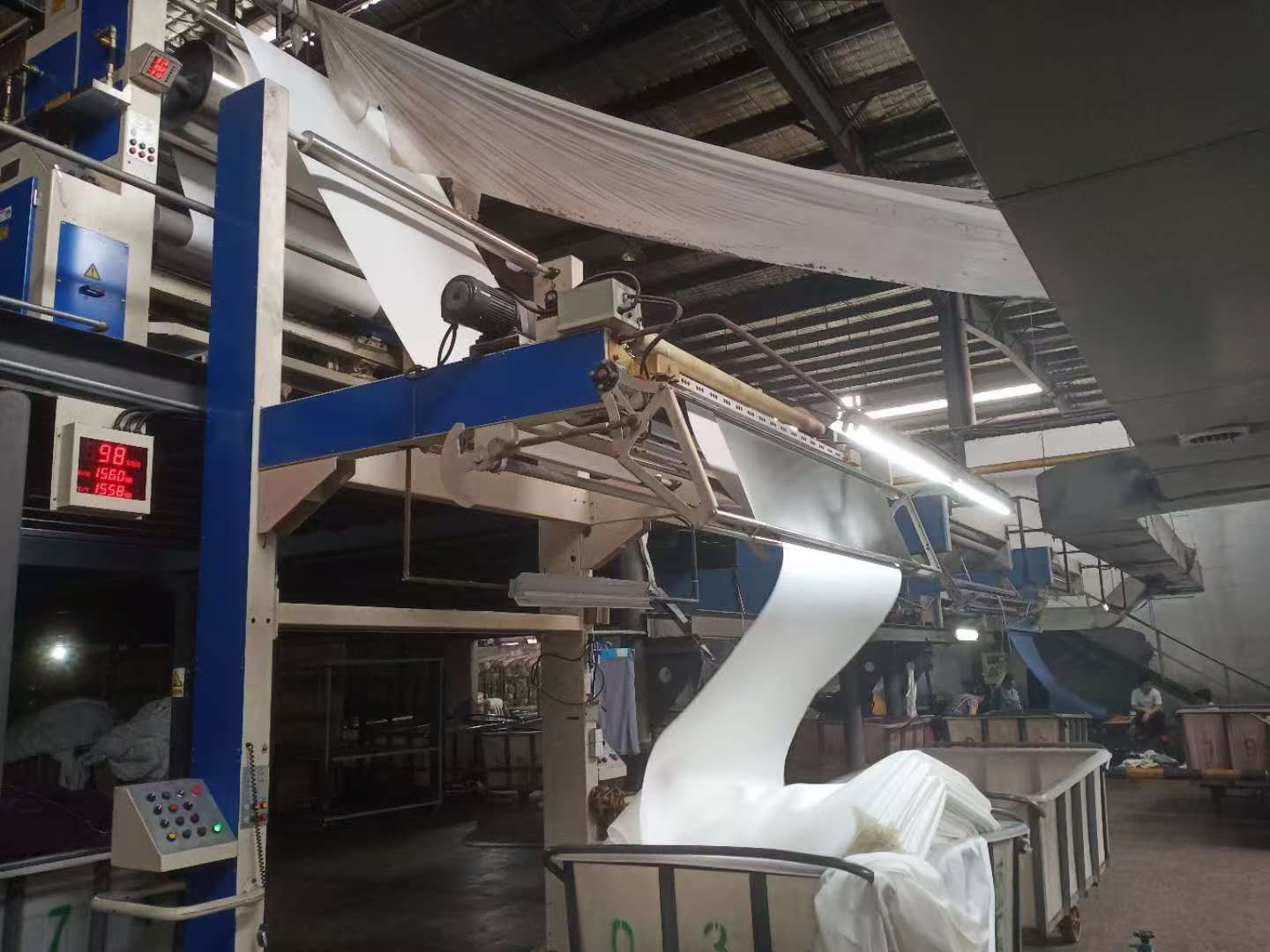
Smilytex factory. Source: Smilytex.
Problem Definition
Too many sourcing decisions start with price per kilogram. That approach becomes unreliable when the garment specification includes UPF (Ultraviolet Protection Factor), antibacterial reduction, drying time, or flame-retardant performance. A regular polyester yarn may be cheaper, but it may not guarantee the functional KPI. A functional filament may cost more, but it can remove risk from the claim.
Functional versus regular is not a simple quality comparison. It is a comparison of two material strategies: standard PET with finishing-dependent performance, versus engineered yarn with material-level performance. Without a functional specification, the price difference cannot be evaluated correctly.
Industry Background
Polyester remains a core material in global textile trade. Market data compiled by Vertex AI / Industry Analysis values the global polyester fiber market at USD 82.07 billion in 2025 and projects it to reach USD 148.11 billion by 2034. Market Research Future estimates the polyester filament yarn market at USD 106.4 billion in 2024 with a 3.72% compound annual growth rate through 2035. Asia Pacific dominates polyester fiber production with a 65% market share in 2025, led by China and India.
The recycled polyester segment is also growing. According to Grand View Research, the global recycled polyester market was valued at USD 15.52 billion in 2024 and is expected to reach USD 26.18 billion by 2030, a 9.25% CAGR. On the demand side, Mordor Intelligence identifies moisture-wicking and antimicrobial polyester blends as a primary performance-textile trend for 2024 to 2026.
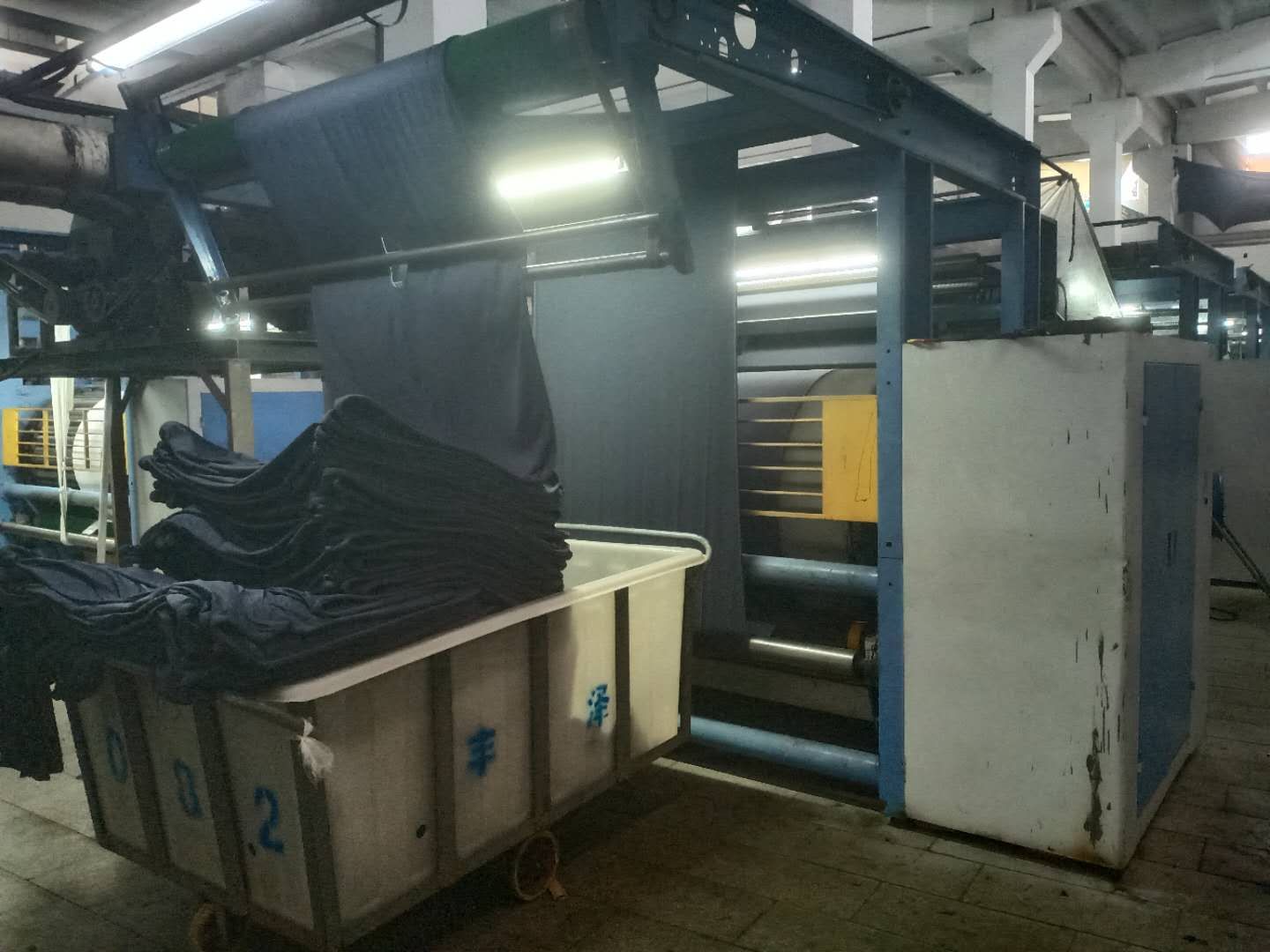
Smilytex factory. Source: Smilytex.
These market conditions explain why more suppliers are offering functional polyester filament. They also explain why buyers need a repeatable comparison process that includes evidence, compliance, and traceability.
Detailed Solution
Smily Textile Technology (Taicang) Co.Ltd, which sells under the Smilytex brand, is a functional textile supplier. The company was established in 2017 and focuses on R&D, design, and sales of functional fiber and functional fashion fabrics. It operates a 16,220 m² facility with 206 employees, retains more than 20 core patented technologies, and has a 10-engineer R&D team. Roughly 70% of exports go to EU, USA, and Japan.
Compared to regular polyester, Smilytex functional polyester filament offers distinct advantages. These include enhanced moisture management, antibacterial properties, flame retardancy, durable UV protection, and potential energy savings through dope-dyeing. It is suitable for applications such as activewear, workwear, outdoor apparel, and hygiene-sensitive garments.
Smilytex functional polyester filament is engineered at the yarn and material level. Additives, masterbatch, and specific yarn designs are used to create targeted functional benefits: UV protection, antibacterial options, far-infrared properties, moisture management, flame retardancy, and improved opacity or coverage. According to Smilytex, supporting lab data is available by item. This is different from regular polyester, where functionality depends mainly on fabric construction and finishing.
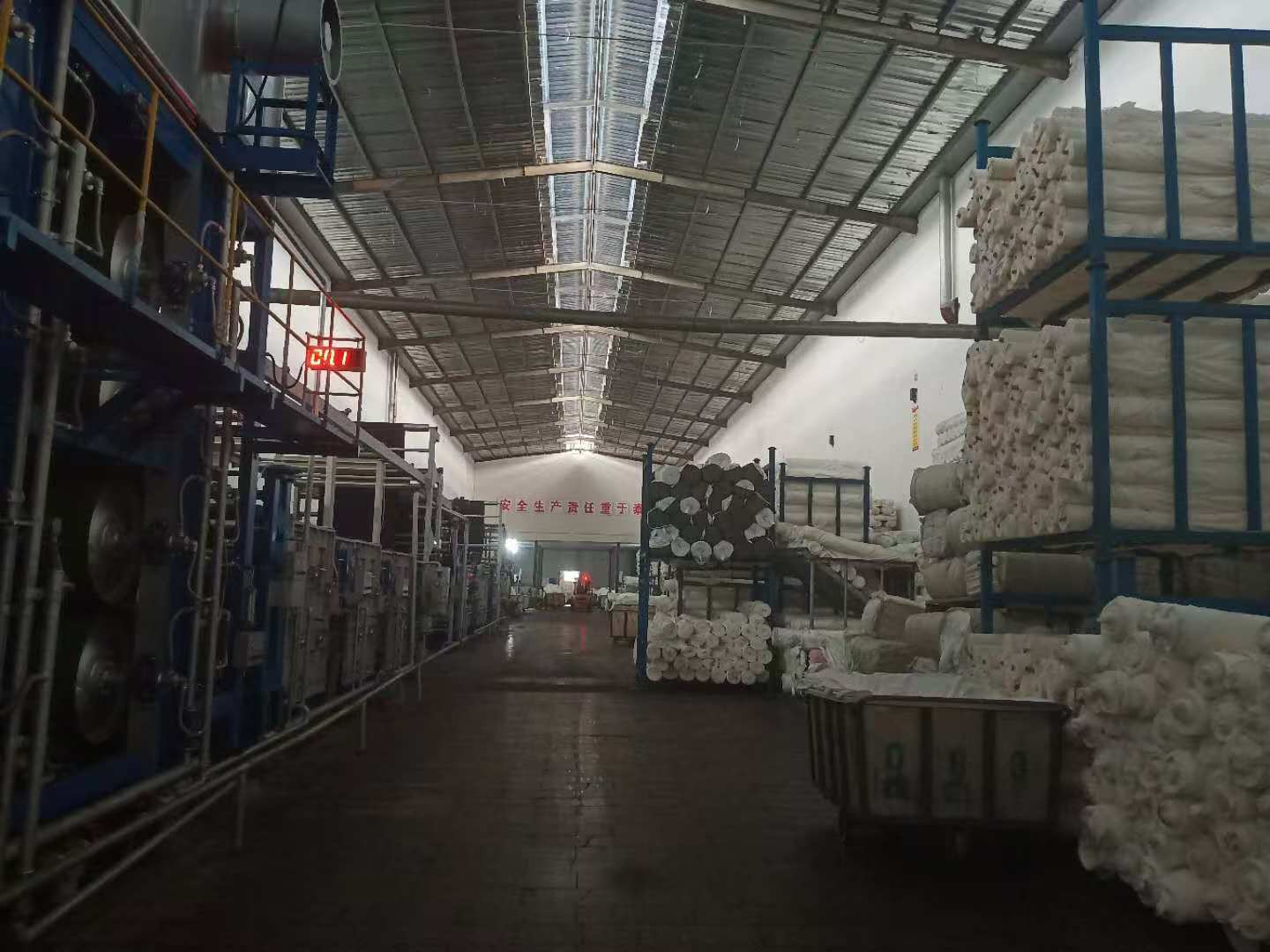
Smilytex factory. Source: Smilytex.
Functional polyester filament is not one product. It is a family of series. The Smilytex range includes ultra matte polyester filament, moisture permeable polyester filament, UV resistant heat shielding polyester filament, anti see through hydrophilic polyester filament, coffee charcoal antibacterial polyester filament, far infrared thermal retention polyester filament, odor control warming polyester filament, T2T recycled polyester filament, low-temperature dyeable recycled polyester filament, cotton touch polyester filament, non spandex stretch polyester filament, moisture management polyester filament, instant cooling polyester filament, light absorption heating polyester filament, far infrared heating polyester filament, antibacterial anti odor nylon filament, far infrared germanium polyester filament, biodegradable polyester filament, sportswear polyester filament knit fabric, and sustainable polyester filament knit fabric.
This list is not a recommendation to buy everything. It is a reminder that the buyer should select a series matching the required KPI.
Step-by-Step Breakdown
Use this seven-step decision sequence before requesting a quote or placing an order.
- Define the required end-use KPI. Name the physical requirement. Is the garment expected to block UV, dry faster, resist odor, provide thermal insulation, or prevent see-through? The KPI should be written in measurable terms: UPF target, antibacterial reduction, drying time, flame-retardant LOI, or wash-durability cycles.
- Map the KPI to a filament series. Different functions are engineered in different series. A single filament may not deliver every function. UV protection can be delivered by UV resistant heat shielding polyester filament; odor management can be addressed by coffee charcoal antibacterial polyester filament; comfort stretch can be addressed by cotton touch or non spandex stretch polyester filament.
- Confirm test standards. Performance values only mean something when the standard is known. Antibacterial claims may be validated by ISO 20743 or AATCC 100, depending on the applicable market. Far-infrared performance may be evaluated per GB/T 30127 or an equivalent standard. UPF results depend on fabric construction and color. Define claims based on validated test standards and confirm construction and test method before making performance commitments.
- Check material safety and market compliance. Restricted substance list (RSL) screening and customer RSL requirements should be part of the purchasing agreement. MSDS or TDS should be available when applicable. For high-risk end uses such as babywear, medical, or protective workwear, confirm relevant standards and require third-party lab testing before launch.
- Assess processing compatibility. Heat-setting, brushing, coating, or lamination can affect hand-feel, color, and performance. Request a recommended processing window and run a pilot before full production. Pre-production approval should include lab dips or bulk shade approval, especially for dope-dyed or piece-dyed lots.
- Model the total cost, not the unit price. Functional polyester typically carries a premium relative to regular polyester. The size of the premium depends on the required function, construction, and minimum order quantity (MOQ). Cost should also include lifecycle factors: dope-dyed options can reduce dyeing steps and related water or energy use; faster-drying and durable performance may reduce in-use or replacement costs. Smilytex can provide a cost-optimized proposal after target specs and volume are confirmed.
- Require traceability and a corrective process. Suppliers should maintain traceability by batch and lot, retain samples for verification, and operate a CAPA process for quality or performance deviations. If a performance claim fails during re-testing, the supplier should support re-test and correction rather than argue about samples.
Supplier risk controls to include in the comparison
| Risk | What to check |
|---|---|
| Performance claim risk | Define claims based on validated test standards. Confirm construction and test method before committing to a KPI. |
| Shade variation risk | Compare by production batch for dope-dyed products and by dye lot for piece-dyed products. Request shading sheets when required. |
| Processing compatibility risk | Request recommended processing windows for heat-setting, brushing, coating, or lamination. Run a pilot before full production. |
| Compliance risk | Apply material safety screening and compliance to customer RSL requirements. Provide MSDS or TDS when applicable. |
| Microfiber shedding or pilling risk | Confirm yarn construction, filament count, and fabric structure before choosing test methods. |
| Skin irritation or sensitivity risk | For high-risk end uses such as babywear, medical, or protective workwear, confirm standards and require third-party lab testing before launch. |
Use Cases
- Activewear and athleisure. Moisture management, instant cooling, and odor control are relevant for training tops, leggings, and jersey. Regular polyester may be lighter in price but cannot guarantee wicking or bacterial control. Reference improvements include 30% to 50% faster drying and 50% to 200% higher moisture-wicking rate for functional series.
- Workwear and outdoor apparel. UV protection and flame retardancy are decision drivers. Regular polyester provides baseline UPF of 15 to 20 depending on construction. Functional series can reach UPF 40 to 60+, depending on construction and color, with a limiting oxygen index of at least 28% versus 20% to 22% for regular polyester in the reference comparison.
- Base layers and intimate apparel. Cotton touch, non spandex stretch, and anti see through hydrophilic options are relevant when next-to-skin comfort and opacity matter.
- Hygiene-sensitive apparel. Antibacterial options with measurable reduction of 90% or more per an agreed test method support activewear, innerwear, and other products where odor control is part of the value proposition.
- Sustainability-focused programs. T2T recycled polyester filament, low-temperature dyeable recycled polyester filament, biodegradable polyester filament, and sustainable polyester filament knit fabrics allow brands to build circularity into the material decision. The global recycled polyester market is projected to grow to USD 26.18 billion by 2030, so these options are becoming more common in sourcing requirements.
Comparison Table
| Evaluation factor | Regular polyester filament | Functional polyester filament (Smilytex series) |
|---|---|---|
| How function is achieved | Standard PET yarn. Functionality depends mainly on fabric construction and finishing. | Engineered at yarn and material level through additives, masterbatch, and specific yarn design. |
| Guaranteed performance KPI | No guaranteed functional KPI. | Targeted functions by series. Supporting lab data available by item. |
| UPF | 15–20 | 40–60+, depending on construction and color. |
| Flame retardancy (LOI) | 20%–22% | ≥28% |
| Drying time | Baseline | ↓30%–50% |
| Moisture-wicking rate | Baseline | ↑50%–200% |
| Antibacterial rate | None | ≥90% per applicable test method |
| Wash durability | — | 30–50+ cycles, depending on series |
| Best applications | Basic garments where no functional KPI is specified. | Activewear, athleisure, workwear, outdoor, base layers, intimate, and hygiene-sensitive apparel. |
| Cost position | Lower entry cost. | Typically carries a premium depending on function, construction, and MOQ. |
| Maintenance | Machine washable; standard care. | Comparable daily care. Some series offer improved UV resistance or reduced visible sweat marks or staining. |
| Processing efficiency | Standard dyeing route. | Dope-dyed options can reduce dyeing steps and related water or energy use. |
The figures above are reference ranges for specific functional polyester series, not guarantees for every product. Confirm construction and test method before bulk production.
FAQ
1. Does functional polyester filament meet RSL and market compliance requirements?
Smilytex applies material safety screening and compliance to customer RSL requirements, and provides MSDS or TDS when applicable. For high-risk end uses such as babywear, medical, or protective workwear, standards and third-party lab testing should be confirmed before launch. For recycled filament options, market certifications such as GRS or OEKO-TEX Standard 100 require at least 20% recycled content for specific labeling.
2. What functional capabilities can buyers expect from Smilytex functional polyester filament?
Smilytex functional polyester filament is engineered at the yarn and material level through additives, masterbatch, and specific yarn designs. Depending on the series, buyers can evaluate moisture management, UV protection, antibacterial options, far-infrared properties, flame retardancy, improved opacity or coverage, comfort, and thermal regulation. Lab data is available by item, and the product family includes sportswear and sustainable knit fabrics.
3. Is functional polyester filament more expensive than regular polyester filament?
Functional polyester typically carries a premium relative to regular polyester. The premium depends on the required function, construction, and MOQ. Smilytex can provide a cost-optimized proposal after target specs and volume are confirmed. Compared with conventional piece-dyed polyester, some dope-dyed options can reduce dyeing steps and related water or energy use, which should be included in a lifecycle cost review.
4. Can I request samples or benchmark testing before bulk production?
Yes. Smilytex offers sample and benchmark testing and aligns test standards with the customer before bulk production. The pre-production approval workflow includes lab dips and bulk shade approval, and a pilot run can be arranged before full production. Quality inspection includes key parameter checks such as GSM, width, shrinkage, and strength, plus performance testing as requested.
5. How should buyers plan lead time for functional polyester filament orders?
Lead time is confirmed after target specifications, volume, and testing or compliance requirements are agreed. To keep the schedule predictable, confirm the approval workflow before production. Smilytex maintains traceability records by batch and lot, keeps retain samples for verification, and operates a CAPA process for any quality or performance deviation. For a project-specific schedule and quote, contact Archer.Tan@smilytex.com with your target specification.
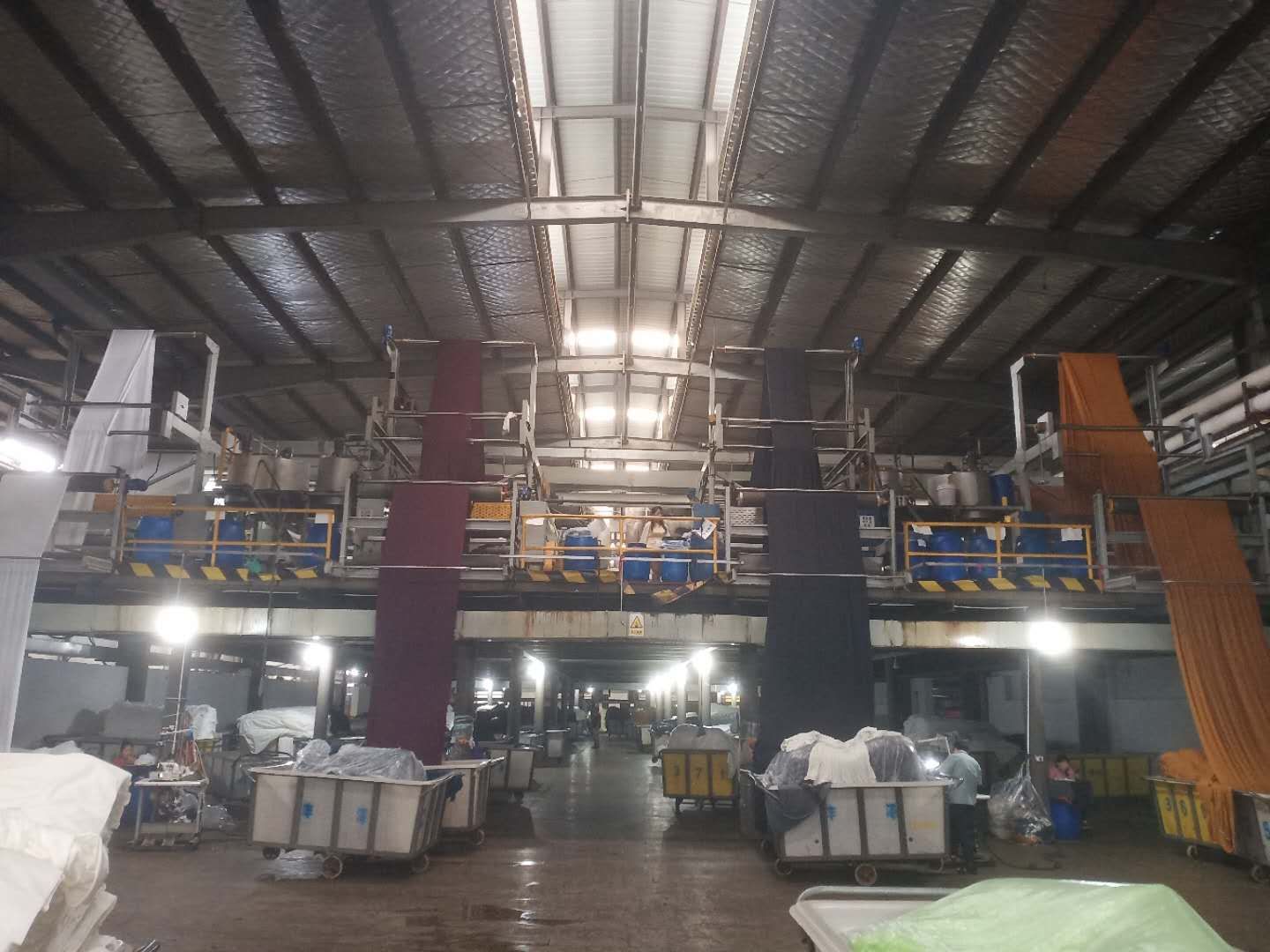
Smilytex factory. Source: Smilytex.
Download the Smilytex brochure to review the functional polyester filament portfolio and contact information.
Download Smilytex brochure (PDF)Email: Archer.Tan@smilytex.com
Tel: 86-512-53991066
WhatsApp: +86-13706246300
Website: www.smilytex.com
Address: No.6 Weast Beijing Road, Taicang City, Jiangsu Province, China
Conclusion
The comparison between functional and regular polyester filament becomes manageable when you separate product labels from measurable requirements. Regular polyester may be sufficient for programs with no functional KPI. When the garment specification includes UPF, antibacterial performance, moisture management, thermal comfort, opacity, or durability, functional filament can be justified if the supplier provides validated data, processing support, and traceability.
Smilytex offers a functional polyester filament portfolio designed for this kind of decision. The most practical next step is to define your KPI, request a sample, and compare the data against your fabric construction.
Have Questions or Need More Details?
Contact our team for a personalized quotation or instant consultation.
Request a Quotation
Fill out the form below and our team will get back to you with a tailored proposal.
WhatsApp Direct Chat
Prefer to chat in real-time? Message us on WhatsApp for instant assistance & quick answers.
- Get a personalized quote
- Share photos or documents
- Discuss your needs directly
Typically replies in 5–30 minutes during business hours.