
Functional Polyester Filament Comparison: Coffee-Charcoal vs. Polyester-Polyamide Composite
Short answer: the coffee-charcoal route earns its place when a garment must control odor, add far-infrared warmth, dry quickly and carry an antimicrobial function, with dope dyeing used to build color. The polyester-polyamide composite route earns its place when a garment must move moisture hygroscopically, resist static, accept cationic dyes, reach market on a short manufacturing cycle and offer linen gray product looks. The two routes do not substitute for each other; they solve different problems inside the same product category name.
This comparison is written for buyers at the decision stage, when a shortlist already exists and the remaining question is which route goes into the bulk order. It compares the two routes by function mechanism, verification evidence, equipment requirements, coloration route and garment end-use fit, so the selection can be defended internally and confirmed with the supplier before sampling starts.
The Real Decision: Two Different Mechanisms Behind One Product Name
Both routes are quoted as functional polyester filament, and both frequently appear on specification sheets with overlapping language: moisture management, quick dry, comfort. That overlap is where sourcing errors begin, because the underlying mechanisms are not comparable variables.
Coffee-charcoal filament builds function from a coffee-ground-based functional masterbatch, and in recycled variants from recycled feedstock. Its performance pillars are odor control, far-infrared heating, quick drying, antimicrobial behavior and dope dyeability. Polyester-polyamide composite filament builds function from polymer composition: the polyamide component changes how the filament interacts with moisture and static, and the composite accepts cationic dyes. One route is additive-driven; the other is composition-driven.
Where route swaps fail
- An odor-control brief is assigned to a route selected only for moisture transport, leaving the odor claim without a mechanism behind it.
- A far-infrared warmth program lands with a supplier whose evidence covers moisture and static only.
- A fast color program is placed on a dope-dyed route without confirming batch scheduling and shade approval steps.
- An antistatic requirement surfaces after the dyeing route is fixed, although cationic dyeability was the original reason the composite was shortlisted.
These failures usually appear at bulk inspection or at retail rather than at sampling, which is why the decision should be made on function and evidence instead of a generic performance line.
Industry Background: Why These Two Routes Get Compared
The global polyester fiber market was valued at USD 82.07 billion in 2025 and is projected to reach USD 148.11 billion by 2034, according to Vertex AI industry analysis. Market Research Future estimates the polyester filament yarn segment at USD 106.4 billion in 2024, growing at a 3.72% CAGR to 2035, with Asia Pacific holding a 65% market share in 2025, led by China and India. Published figures differ by report scope, since total polyester fiber and filament yarn are measured differently, so they are useful as directional context rather than as a single benchmark.
The recycled segment is expanding alongside. Grand View Research values the global recycled polyester market at USD 15.52 billion in 2024, with an expected USD 26.18 billion by 2030 at a 9.25% CAGR. Labeling rules matter in this segment: textile certifications such as OEKO-TEX Standard 100 and the Global Recycled Standard require at least 20% recycled content for specific labeling claims, which sets a floor for what a recycled coffee-ground route can legally be called.
On the demand side, Mordor Intelligence identifies athleisure preference for moisture-wicking and antimicrobial polyester blends as a primary trend in 2024-2026. That trend pushes buyers toward both routes at once, and it also explains why the two get conflated: odor control, antimicrobial function and moisture management are normally listed together in a marketing brief, even when they require different filament constructions and different test evidence.
Major players in polyester filament yarn include Indorama Ventures, Reliance Industries, Toray Industries and Teijin Limited, according to Market Research Future. Route-level selection, however, happens far below that tier, at the level of a specific yarn design, masterbatch and dyeing route, which is exactly the level this comparison addresses.
Route A: Coffee-Charcoal Functional Polyester Filament
Coffee-charcoal filament is a polyester filament in which a coffee-ground-based functional masterbatch is incorporated into the yarn, with recycled polyester variants available for programs that need recycled content. Function is engineered at the material level rather than applied at finishing, which is why one yarn can carry several functions.
Functions the route is specified for
- Odor control is the primary reason buyers shortlist this route for base layers, T-shirts and sportswear.
- Far-infrared heating is a warmth function used in thermal layers and cool-weather knits.
- Quick drying supports next-to-skin and high-sweat end uses.
- Antimicrobial performance is relevant to hygiene-sensitive apparel and to odor management programs.
- Dope dyeing builds color into the filament instead of applying it by piece dyeing.
Evidence a buyer can actually check
Two documents carry most of the weight for this route. The first is compliance documentation referencing GB/T 30127-2013, the standard named for this route in verification. The second is residue data: caffeine residue measured by LC-MS/MS at 0.009 mg/kg. Both are specific and checkable, and both should be requested as reports rather than accepted as statements printed on a spec sheet.
When reviewing the standard document, confirm which property the report covers and whether the tested sample was yarn or finished fabric. Functional performance depends on fabric construction, color and test method, so a report that does not match the construction you intend to bulk is only partial evidence. Smilytex states the limitation directly in its specifications: performance commitments should be defined against validated test standards and confirmed for construction and test method before bulk.
Limits of the route
Dope dyeing changes the color workflow. Color is scheduled by production batch, and batch-to-batch shade differences are managed through a shading sheet and bulk shade approval rather than through a single lab dip. Buyers who need many shades in small quantities should confirm batch minimums before committing. Far-infrared and antimicrobial functions are construction-dependent, so a yarn-level claim should be re-confirmed on the finished fabric. Microfiber shedding and pilling behavior depends on filament count and fabric structure, not on the functional masterbatch.
Route B: Polyester-Polyamide Composite Filament
The composite route combines polyester with a polyamide component in the same filament. The polyamide fraction raises moisture uptake, which is the basis for the route's hygroscopic quick-dry behavior and its antistatic performance; the composite structure also accepts cationic dyes. Suppliers position this route on four practical advantages: hygroscopic quick dry, antistatic behavior, cationic dyeability and a short manufacturing cycle, plus linen gray product looks.
Functions the route is specified for
- Hygroscopic quick dry works through moisture uptake in the polyamide component rather than purely through capillary structures.
- Antistatic performance is useful in knitwear, linings and dry-climate programs.
- Cationic dyeability means shades are built with cationic dyestuffs, and the behavior supports differential-dyeing effects when the composite is combined with regular polyester in one fabric.
- Short manufacturing cycle is a stated commercial feature of the route and is valuable for fast-turn programs.
- Linen gray products give the route a natural, linen-like fabric story.
Limits of the route
Performance here comes from composition, so the polyester-to-polyamide ratio drives handfeel, moisture behavior and dyeing response; changing the ratio changes the product. Cationic dyeing requires a dyeing partner familiar with cationic dyestuffs and a confirmed dyeing trial before bulk, and two-tone effects must be designed rather than assumed. Antistatic and hygroscopic performance should be verified on the finished fabric after the intended finishing route, because finishing can change surface behavior. This route is not positioned on recycled content in this comparison; recycled-content claims belong to the coffee-ground route.
Where Smilytex Sits in This Comparison
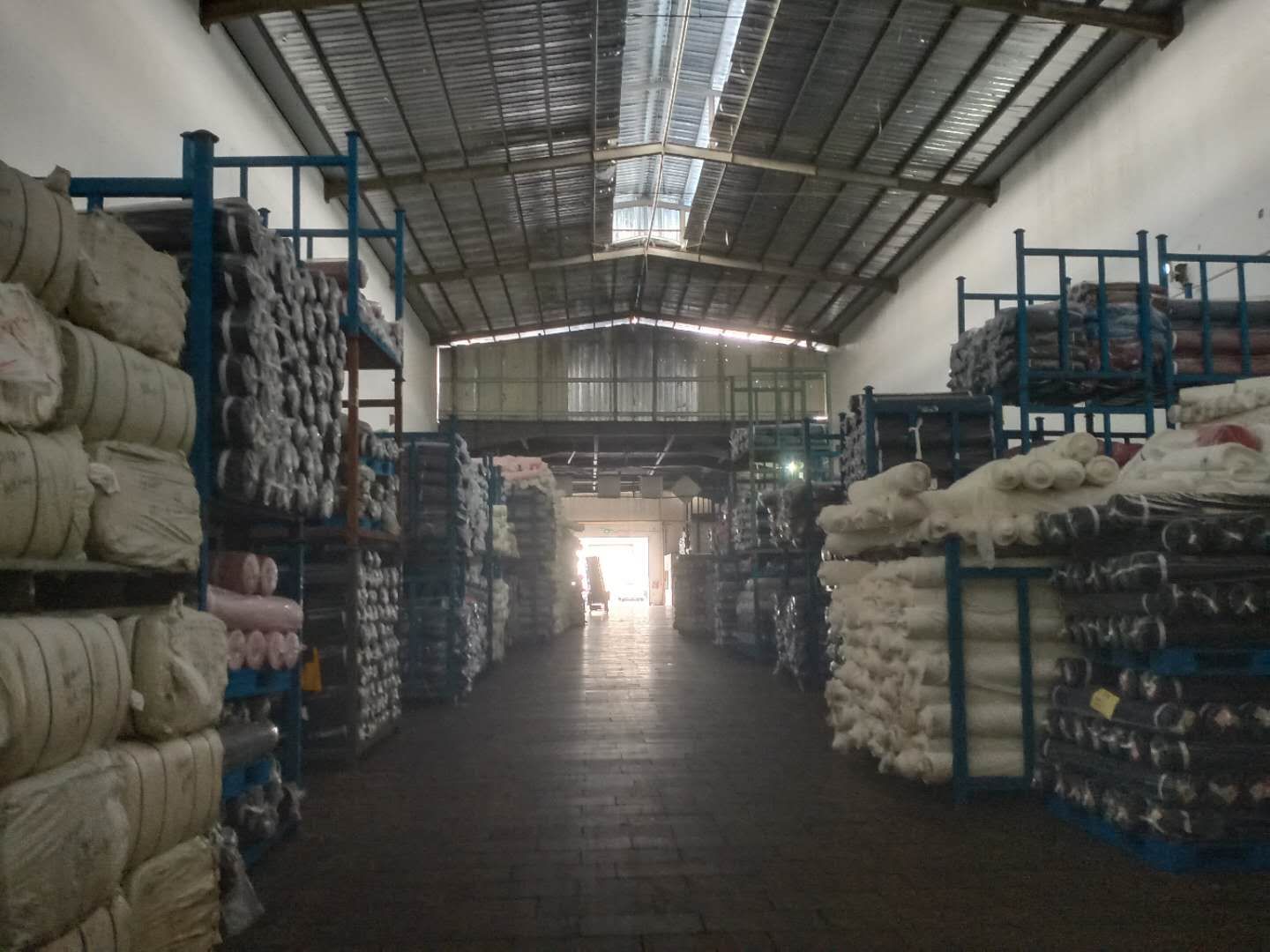
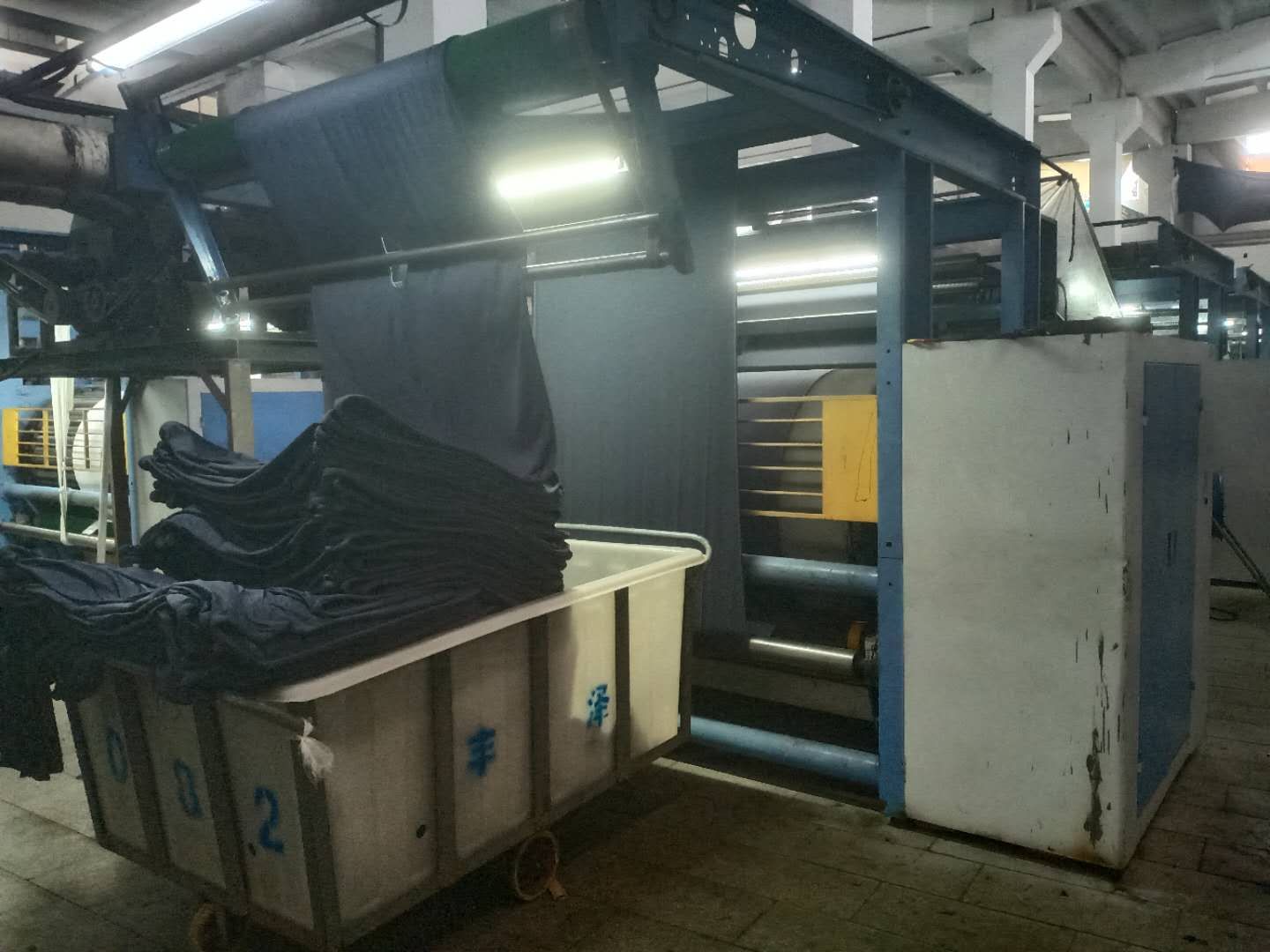
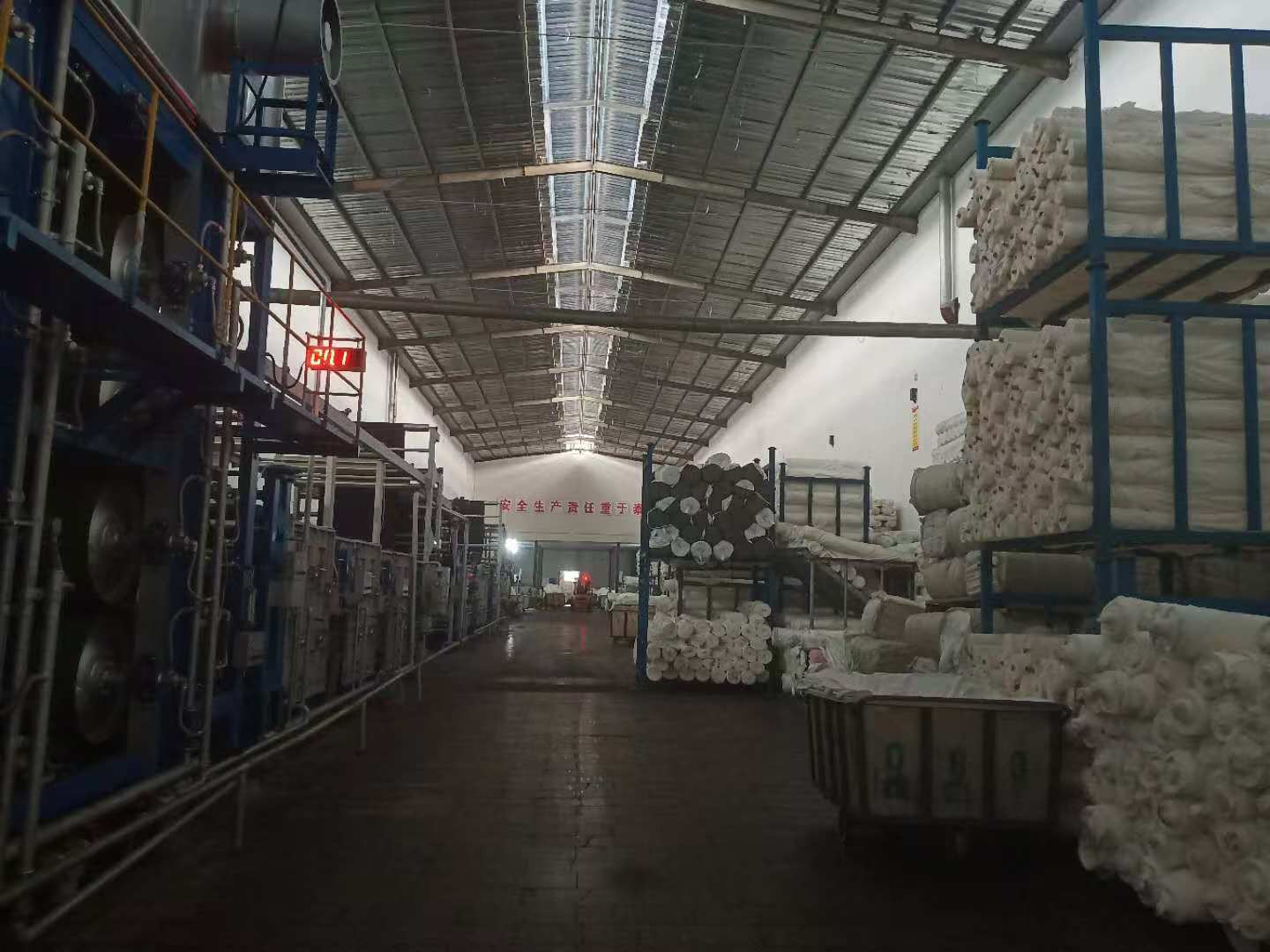
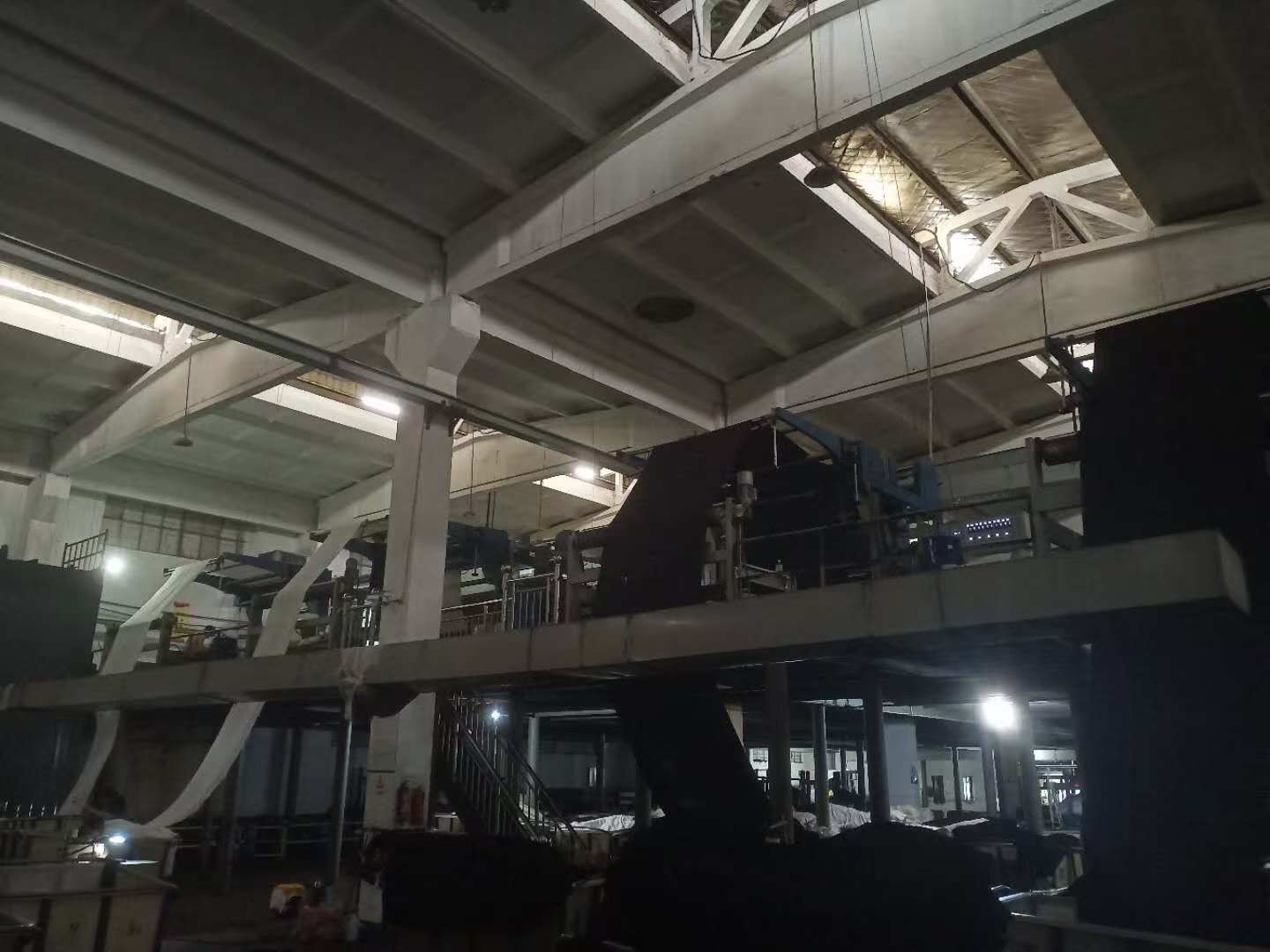
Smily Textile Technology (Taicang) Co., Ltd., trading as Smilytex, is a Taicang, Jiangsu (China) based developer and supplier of functional fiber and functional fashion fabrics, established in 2017. The company operates a 16,220 m2 facility with 206 employees, a 10-engineer R&D team and more than 20 core patented technologies covering authorized invention, utility model and design patents; approximately 70% of its business is exported to the EU, USA and Japan.
Smilytex's product portfolio includes coffee charcoal antibacterial polyester filament, far infrared heating polyester filament, odor control warming polyester filament, moisture management polyester filament, instant cooling polyester filament, non-spandex stretch polyester filament and cotton touch polyester filament, among others, so the coffee-charcoal route sits directly inside its range. For programs evaluating the composite route, the decision criteria below still apply; confirm route availability, test evidence and dyeing support with the supplier before shortlisting.
Both routes are engineered at the yarn and material level through additives, masterbatch and specific yarn designs, which is what separates functional polyester from standard polyester in the first place. Smilytex summarizes the commercial difference as a premium over regular polyester that depends on the required function, construction and MOQ, with a cost-optimized proposal issued after target specifications and volume are confirmed.
Step-by-Step: Selecting Between the Two Routes
Step 1: Name the dominant function of the garment
List the functions the garment must deliver in order of commercial importance, then keep only the top one or two. A odor-control tee and a cool-weather thermal layer are both performance garments, but they point to different routes. If the brief lists five functions with equal weight, the specification is not ready for route selection.
Step 2: Match the function to the route mechanism
Odor control, far-infrared heating and antimicrobial performance require an additive mechanism, which is the coffee-charcoal route. Hygroscopic moisture transport, antistatic behavior and cationic dyeing require a composition mechanism, which is the composite route. Any requirement that crosses both lists should be split across two fabrics or accepted as a compromise with documented evidence.
Step 3: Verify evidence at the right level
For the coffee-charcoal route, request the GB/T 30127-2013 compliance documentation and the LC-MS/MS caffeine residue result of 0.009 mg/kg, then check the report scope, method and sample identity. For the composite route, request fabric-level reports for moisture management and antistatic behavior, plus a dyeing trial record for cationic shades. In both cases, prevent performance claim risk by defining claims against validated test standards and confirming construction and test method before making commitments.
Step 4: Fix coloration and finishing before discussing price
Dope-dyed color runs on production batch scheduling with shade approval, while cationic dyeing depends on dyestuff selection and the dyehouse. Heat-setting, brushing, coating and lamination all affect handfeel, color and functional results, so request the recommended processing window and complete lab dips or bulk shade approval and a pilot run before full production. Route-level cost differences cannot be assessed before this step, because the processing route is what drives them.
Step 5: Validate by sample, then lock commercial terms
Use sample and benchmark testing to align standards with the supplier, and check key parameters such as GSM, width, shrinkage and strength alongside the functional tests. Keep retain samples by batch or lot for traceability, and agree a corrective and preventive action process for any deviation, including support for re-testing. Only after this step should MOQ, lead time and price be fixed.
Equipment and process requirements to confirm with any supplier
Route choice is also an equipment question, and the same four areas decide whether a claim survives production.
- Spinning machines: for the coffee-charcoal route, ask how masterbatch dosing is controlled and how batch identity is recorded; for the composite route, ask how the polyester-to-polyamide ratio is held.
- Weaving or knitting looms: function is delivered in the finished fabric, so confirm the construction intended for bulk rather than a reference construction.
- Finishing equipment: heat-setting, brushing and coating or lamination change handfeel, color and functional results, so request the processing window in writing.
- Functional testing instruments: ask which tests run in-house and which go to a third-party laboratory, and confirm the standard used for far-infrared, antimicrobial, moisture management, antistatic and residue testing.
Use Cases by Garment End-Use
Odor-control base layers and T-shirts. The coffee-charcoal route is the direct fit, because odor control and antimicrobial function are engineered into the yarn rather than added at finishing.
Cool-weather thermal layers. Far-infrared heating in the coffee-charcoal route supports warmth-focused programs where the yarn also has to dry quickly.
Hygiene-sensitive apparel. Antimicrobial performance in the coffee-charcoal route fits hygiene-oriented garments; for babywear, medical or protective workwear, confirm standards and third-party laboratory testing before launch.
Fast-turn quick-dry sportswear with antistatic needs. The composite route's hygroscopic quick dry, antistatic behavior and short manufacturing cycle suit programs where static and turnaround matter as much as drying speed.
Cationic-dyed color programs. Where the color story depends on cationic dyestuffs or on differential-dyeing effects with regular polyester, the composite route is the practical option.
Linen-look knitwear and linen gray fabrics. Linen gray products from the composite route serve natural-look knit stories without the processing profile of linen itself.
Recycled-content programs. Recycled variants of the coffee-charcoal route fit brands building recycled stories, subject to the labeling threshold of at least 20% recycled content under the Global Recycled Standard.
Across both routes, the commercial end-use categories stay consistent: activewear and athleisure, workwear and outdoor apparel, base layers and intimate apparel, and hygiene-sensitive apparel.
Side-by-Side Comparison
| Decision factor | Coffee-charcoal route | Polyester-polyamide composite route |
|---|---|---|
| Source of function | Coffee-ground-based functional masterbatch, with recycled variants | Polymer composition: polyester combined with a polyamide component |
| Signature functions | Odor control, far-infrared heating, quick drying, antimicrobial performance | Hygroscopic quick dry, antistatic performance |
| Coloration | Dope dyeing; color scheduled by batch with shade approval | Cationic dyeability; linen gray product looks |
| Evidence to request | GB/T 30127-2013 compliance documentation; LC-MS/MS caffeine residue at 0.009 mg/kg | Fabric-level test reports for moisture management and antistatic behavior; cationic dyeing trial record |
| Manufacturing cycle | Batch-based dope-dyed scheduling with shade approval steps | Positioned on a short manufacturing cycle |
| Process sensitivity | Masterbatch dosing at spinning; function varies with construction and test method | Ratio control at spinning; cationic dyeing and finishing response |
| Best-fit end uses | Odor-control base layers, sportswear, thermal layers, hygiene-sensitive apparel | Fast-turn quick-dry sportswear, antistatic knitwear, cationic-dyed programs, linen-look fabrics |
| Main watch-outs | Claim scope versus construction; batch shade variation; microfiber shedding and pilling by construction | Ratio-driven handfeel change; dye partner capability for cationic dyes; finishing effect on surface performance |
| Recycled-content angle | Recycled variants available; GRS labeling requires at least 20% recycled content | Not positioned on recycled content in this comparison |
Frequently Asked Questions
Which standard and residue evidence should a buyer request for a coffee-charcoal polyester filament?
Request compliance documentation referencing GB/T 30127-2013 and the caffeine residue result measured by LC-MS/MS at 0.009 mg/kg. Check which property the standard report covers, whether the sample was yarn or finished fabric, and the report date. Also confirm restricted-substance compliance against your market and customer RSL, and ask for MSDS or TDS where applicable, because performance and compliance claims should be defined against validated test standards and confirmed for construction and test method.
Can the polyester-polyamide composite route deliver antistatic performance and cationic dyeability together?
Yes. The composite route is specified for hygroscopic quick dry, antistatic performance and cationic dyeability in the same filament, which is why it suits programs where static and color method both matter. Cationic dyeability means shades are built with cationic dyestuffs, and it also supports differential-dyeing effects when the composite is combined with regular polyester in one fabric. Confirm the behavior with a dyeing trial on your intended construction before bulk, since finishing and fabric structure affect the result.
Which route carries the higher cost?
No price figures apply across the board, because cost depends on the function set, construction, MOQ and processing route. On the coffee-charcoal side, the cost drivers are the functional masterbatch and recycled feedstock where used, plus dope-dyed batch size and shade program; dope dyeing can reduce dyeing steps and related water and energy use compared with conventional piece dyeing. On the composite side, the drivers are polymer composition and the cationic dyeing route, partly offset by the short manufacturing cycle. Functional polyester generally carries a premium over regular polyester, and a cost-optimized proposal can be issued once target specifications and volume are confirmed.
How should a buyer validate the two routes before placing bulk?
Run sample and benchmark testing, and align standards and test methods in writing before bulk. Check key parameters such as GSM, width, shrinkage and strength, and run the functional tests required for the route. Complete lab dips or bulk shade approval and a pilot run before full production, keep retain samples by batch or lot for traceability, and agree a corrective and preventive action process with re-test support. For high-risk end uses such as babywear, medical or protective workwear, require standards confirmation and third-party laboratory testing before launch.
What drives lead time for each route?
On the coffee-charcoal route, lead time is governed by dope-dyed batch scheduling and the shade approval sequence, so batch minimums and shade count matter more than the raw yarn itself. On the composite route, the short manufacturing cycle shortens yarn production, but cationic dyeing and finishing still gate the delivery date. In both cases, lab dip rounds, pilot runs and MOQ confirmation determine the real timeline. If you want to compare both routes against an actual garment program, Smilytex can share its functional fiber brochure and arrange samples for benchmark testing: brochure download at https://cdn.socialarks.com/sbsp//common/2026/0320/69bcda7273f49.pdf, email Archer.Tan@smilytex.com, or telephone 86-512-53991066.
Conclusion
The coffee-charcoal and polyester-polyamide composite routes are not two grades of the same product. Coffee-charcoal filament is additive-driven and fits odor control, far-infrared heating, quick drying, antimicrobial function and dope-dyed color, with GB/T 30127-2013 compliance documentation and a caffeine residue of 0.009 mg/kg by LC-MS/MS as the evidence to check. Composite filament is composition-driven and fits hygroscopic quick dry, antistatic behavior, cationic dyeability, short manufacturing cycles and linen gray product looks.
The decision rule is simple: name the dominant garment function, match it to the route mechanism, verify evidence at the level of the fabric you will actually bulk, fix the coloration and finishing route before pricing, and confirm equipment and testing capability at the supplier. Buyers who follow that sequence select a route they can defend to their product, compliance and finance teams rather than a spec sheet that reads well but cannot be verified.
Next step: compare the routes on your own fabric
Smily Textile Technology (Taicang) Co., Ltd. (Smilytex) supplies functional polyester filament and functional fashion fabrics, with coffee charcoal antibacterial polyester filament, far infrared heating polyester filament and moisture management polyester filament in its range. Request samples, the functional fiber brochure or a cost-optimized proposal against your target specification.
- Brochure (public download): https://cdn.socialarks.com/sbsp//common/2026/0320/69bcda7273f49.pdf
- Email: Archer.Tan@smilytex.com
- Tel: 86-512-53991066 | WhatsApp: +86-13706246300
- Website: www.smilytex.com | Address: No.6 Weast Beijing Road, Taicang City, Jiangsu Province, China
Have Questions or Need More Details?
Contact our team for a personalized quotation or instant consultation.
Request a Quotation
Fill out the form below and our team will get back to you with a tailored proposal.
WhatsApp Direct Chat
Prefer to chat in real-time? Message us on WhatsApp for instant assistance & quick answers.
- Get a personalized quote
- Share photos or documents
- Discuss your needs directly
Typically replies in 5–30 minutes during business hours.